We’ve hired a motorhome.
It’s a rather large one – it’s like a flipping bus. So we’re off for a week to Northumbria and the Scottish Borders for a change of scenery and set off towards the M6 at Lancaster. We have a plan (well, more of a mission) – full English breakfast at Shap to start our day. We know a lovely little cafe cum bakery in the centre of the village and we normally make a beeline line for it when we’re heading north, so in excited anticipation, we pull off the motorway and drive down the exceptionally long High Street of Shap.
So imagine our disappointment as we pull up slowly to check it out and discover that not only is it shut, it looks like a permanent closure. Our hearts sink and our stomachs grumble as we wonder where we can get breakfast on route. We continue on, realising there’s nothing worse than getting excited about something and then getting it cruelly whipped away.
We stay on the A6, going through little communities, looking out for a cafe, but of course, you don’t see one when you need one. We’ve also got the added dilemma of having to park our oversized vehicle. We end up in Brampton, one of our overnight stopovers on our Hadrian’s Wall walk last September – we had rocked up after a monster day and basically stayed in the B&B and didn’t move. As we drive into the busy town centre, it’s nice to see that it’s got a thriving little shopping centre with parking around the little square and along the road. However, our home on wheels is far too large to park here (even if there was a parking space). So we turn around and head out of town where we had seen a good spot to park and walked back into town.

https://www.visitcumbria.com/car/brampton/
It’s nearing lunchtime now and we suss out a little cosy looking cafe in the corner, with a small queue outside – another new order of Covid. So we wait outside and choosing our brunch while we wait. The lady in front gets served and we shuffle forward, ready with our order. The second blow of the day occurs when we’re told that the cafe needs to close for 20 minutes for cleaning and catching up on washing up etc. Nooooo. Another Covid-19 phenomena – less staff and the need to disinfect the place regularly. This time our shoulders sag along with our hearts and we troupe off, not in the best of moods. We scout around town for an alternative, but Brampton is not awash with food outlets catering for the all day breakfasts. We end up buying a takeaway pie and chips with coffee and head back to the Van to eat them, tragically passing a pub that’s offering all day breakfasts……………
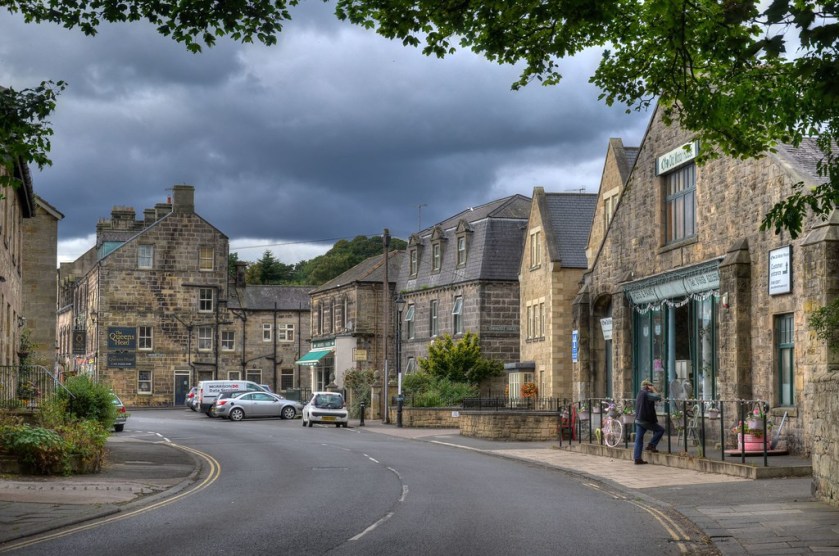
Suitably refreshed, we followed the A69, going east towards Newcastle, running parallel with Hadrian’s Wall and start reminiscing about our walk last year. At Chollerford, we pulled away from the A69 and headed north east. The landscape is fantastic – fields and moors, big wide spaces and sky, gradually changing to rolling foothills, trees and fields full of sheep and cows, passing through pretty villages. We drop down into the town of Rothbury, nestling in a pretty valley and manage to park on the road in the centre of town. The Dog is relieved to have a stretch of the legs and a wee. We wander the shops, looking for provisions and nibbles – local butchers, a little deli and bakery, our favourite sort of independent shops. Again, Rothbury is an attractive little town, with the main road running through it, but with wide grassy tree lined banks separating vehicles from pedestrians. The dapple shading enhances the stone buildings and adds to the character of the town. It had a lovely community feeling.
https://en.m.wikipedia.org/wiki/Rothbury
We drove towards Craster and our camping site for the night. We’ve booked in the Caravan and Camping site at Dunstan Hill, near Embleton. After we’ve checked in, we launched into getting out table and chairs, connecting to the electric and getting the kettle on – we have our priorities. We sit outside, diving into our snacks that we have bought and spend the time camper watching. It is a fascinating occupation watching other campers – fighting with awnings, fiddling with their caravans – some actually giving them a wash, setting up chairs outside, but then disappearing back in their homes, door firmly shut. Its quite entertaining. After our nibbles, we go for a walk and The Dog, her promised beach. There’s a little footpath running down the side of the campsite, through a narrow strip of trees which leads into a field of barley. Down a cinder track, past some delightful holiday bungalows and crossing a rather busy golf course. Then over some sand dunes and to The Dog’s delight, one of Northumbria’s stunning beaches.

The Dog was in heaven. A wide beautiful soft sandy beach, gently sloping to the sea, with hardly anybody on it. Despite being 12 years old, she’s galloping around like a puppy. Dunstanburgh Castle is to our right, sitting on a grassy headland. On our left, in the distance, peeking over the sand dunes, a straggly line of beach houses. We stroll towards them, walking in the surf. It’s quite cloudy and there’s a stiff cool wind. Everybody’s wearing shorts in homage to the non existent summer we’re having and thick chunky jumpers and coats on top. Typical British summer wear. We wander up to the little houses and turn back. Instead of retracing our steps, once past the golf course, we follow the road, through the little hamlet of Dunstan Steads, admiring the little cottages. It is very nice. We cut across the fields, back to the treelined footpath and back to the van. We finish off our nesting and head to bed. The Van has a fixed bed so no need to build it before you go to sleep, but it is quite high up. We settle down. For some reason, The Dog joins us on the bed, completely out of character. But she couldn’t get comfy and tries to get down, but can’t due to the height and the narrow passage. I tried to pick her up to help her, but got growled at for my troubles. We spent the next 20 minutes of Dog settling down again, then wanting to jump off, growling at my attempt of assistance and repeat. Finally (why I didn’t think of this earlier?) I put on the light and she jumped off unassisted with a heavy landing and a harumpf. She ended up sleeping in the shower area on her mat and we all fell into a deep sleep, our first night in our Van and a week of adventure!


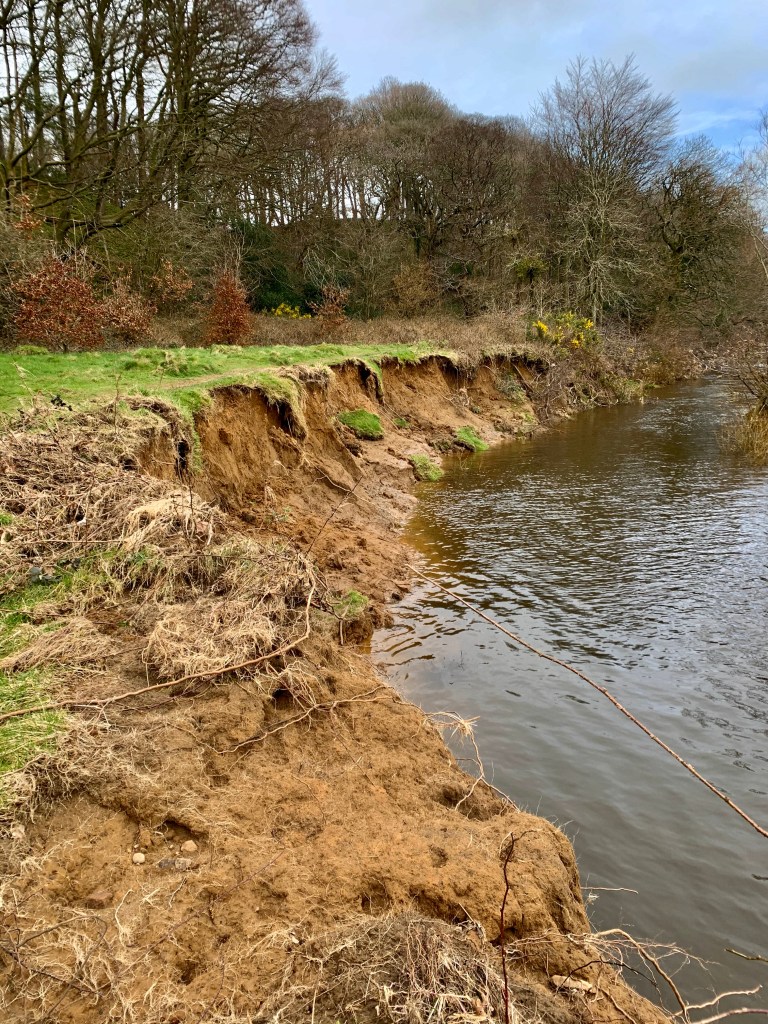

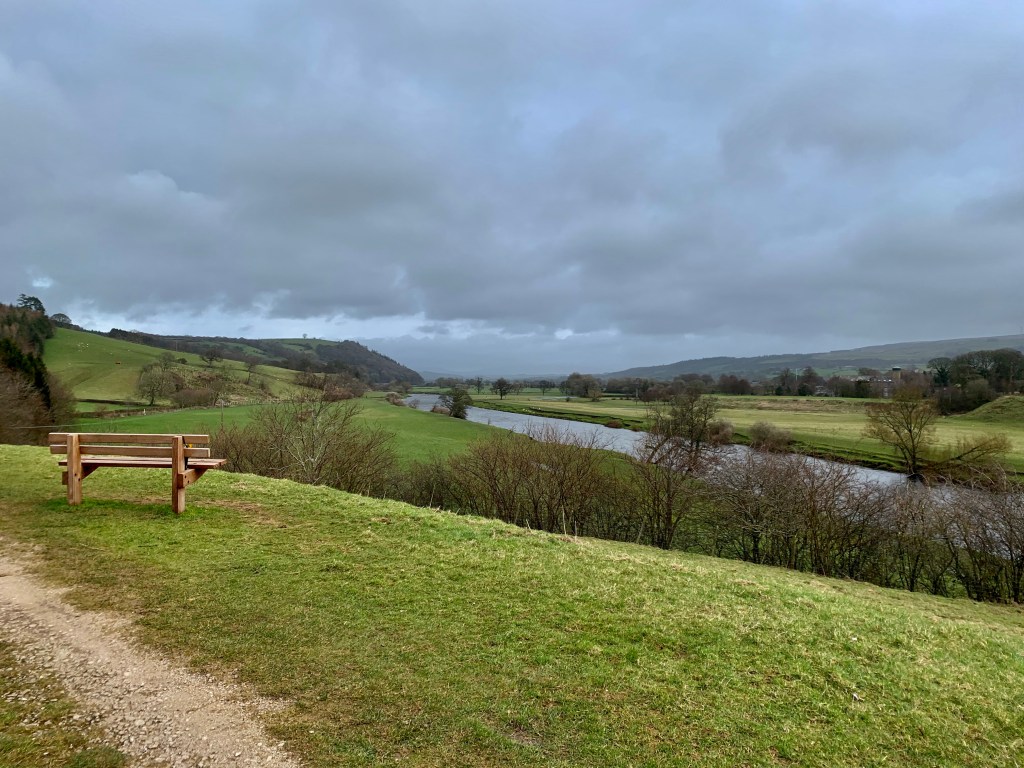










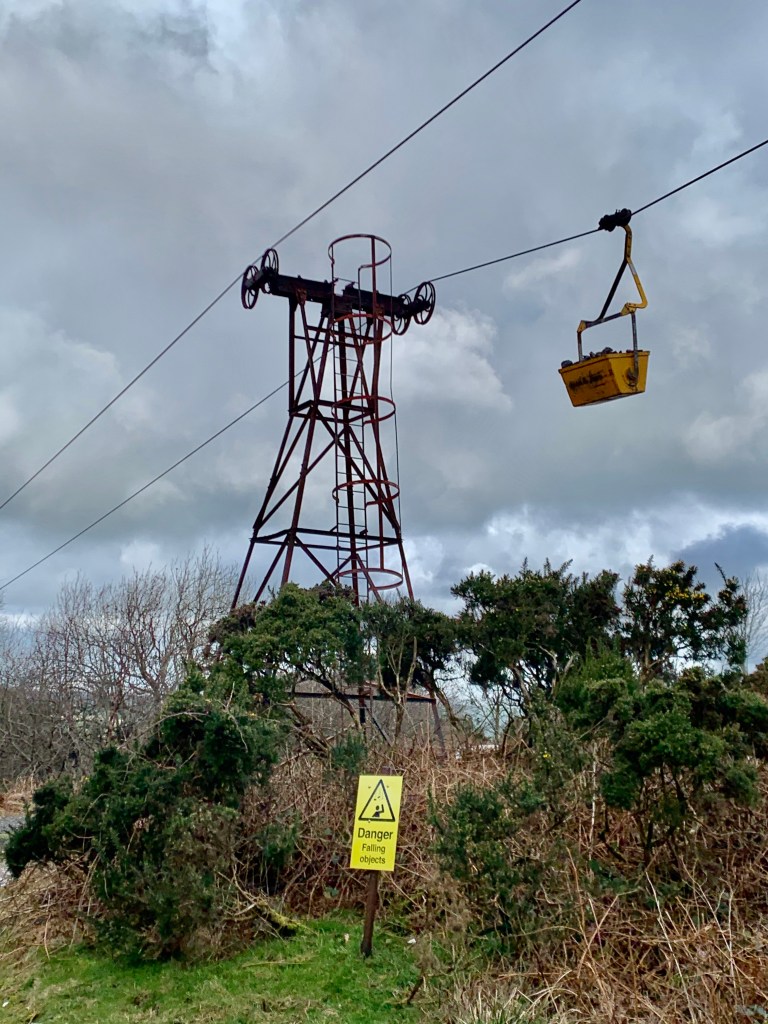
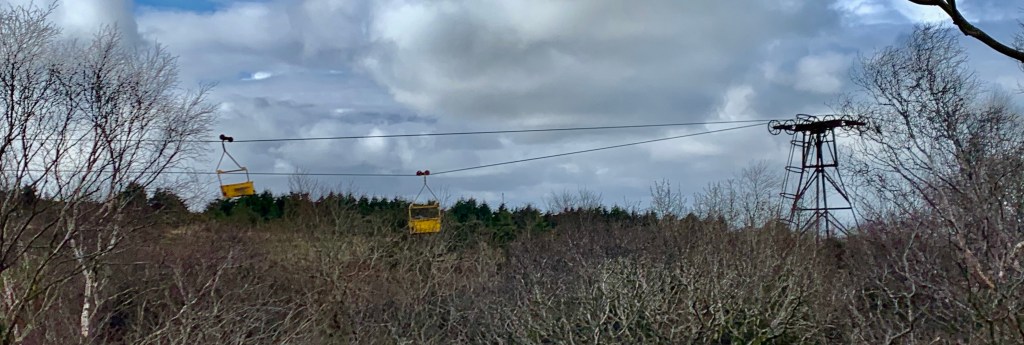
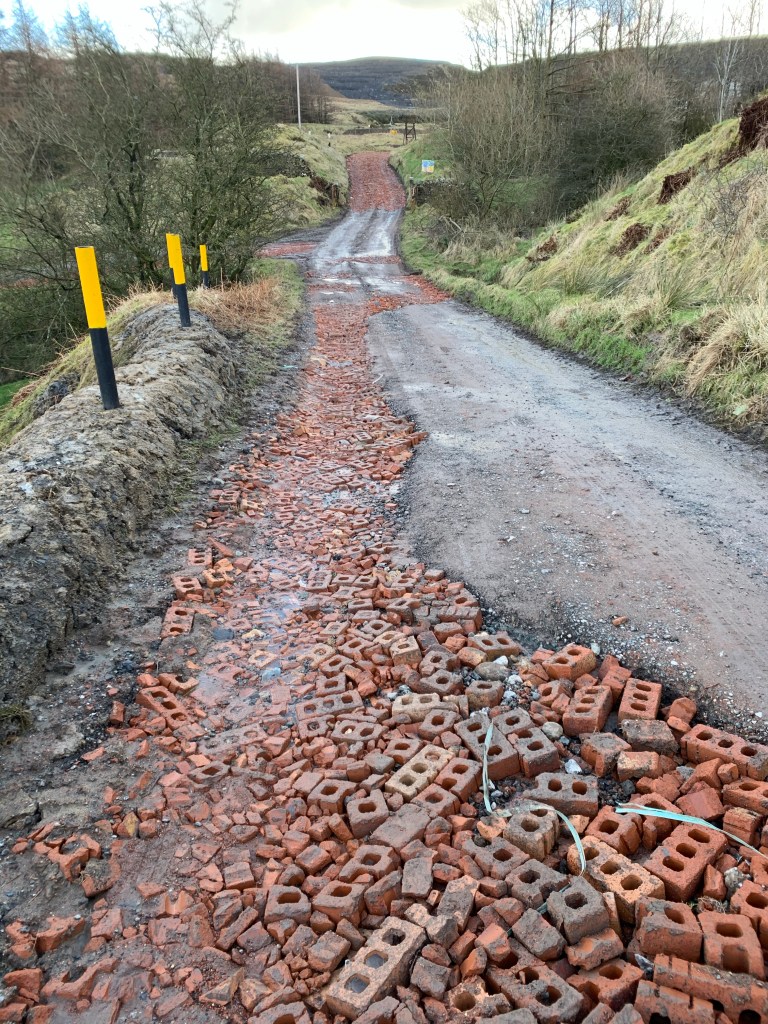
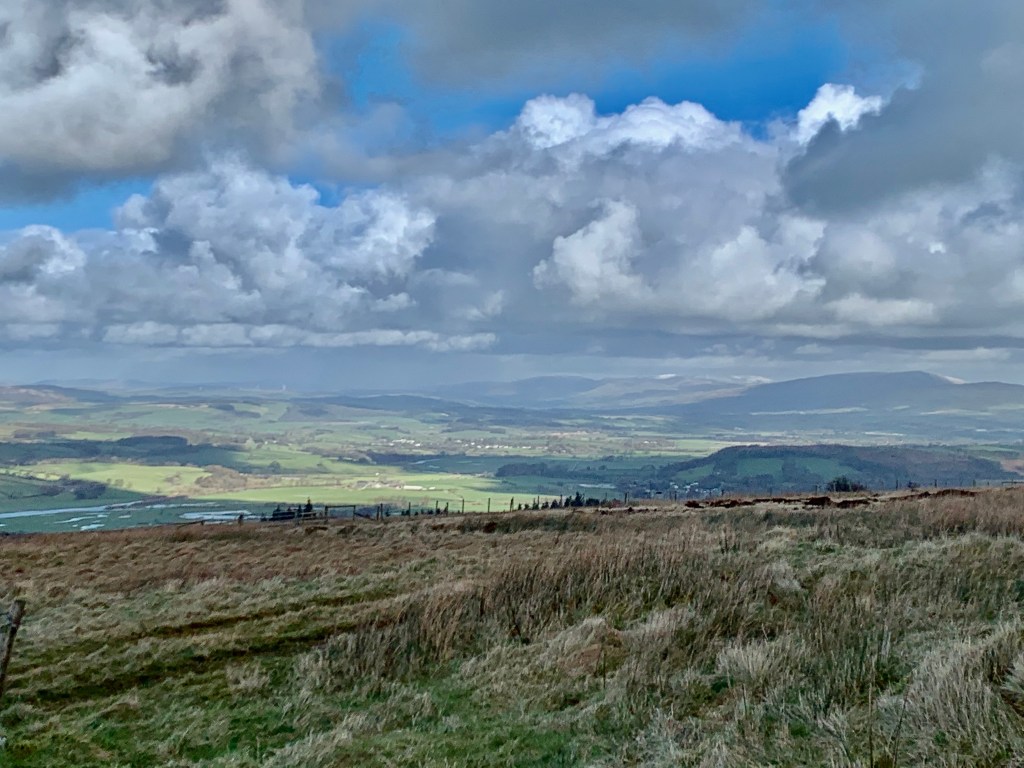
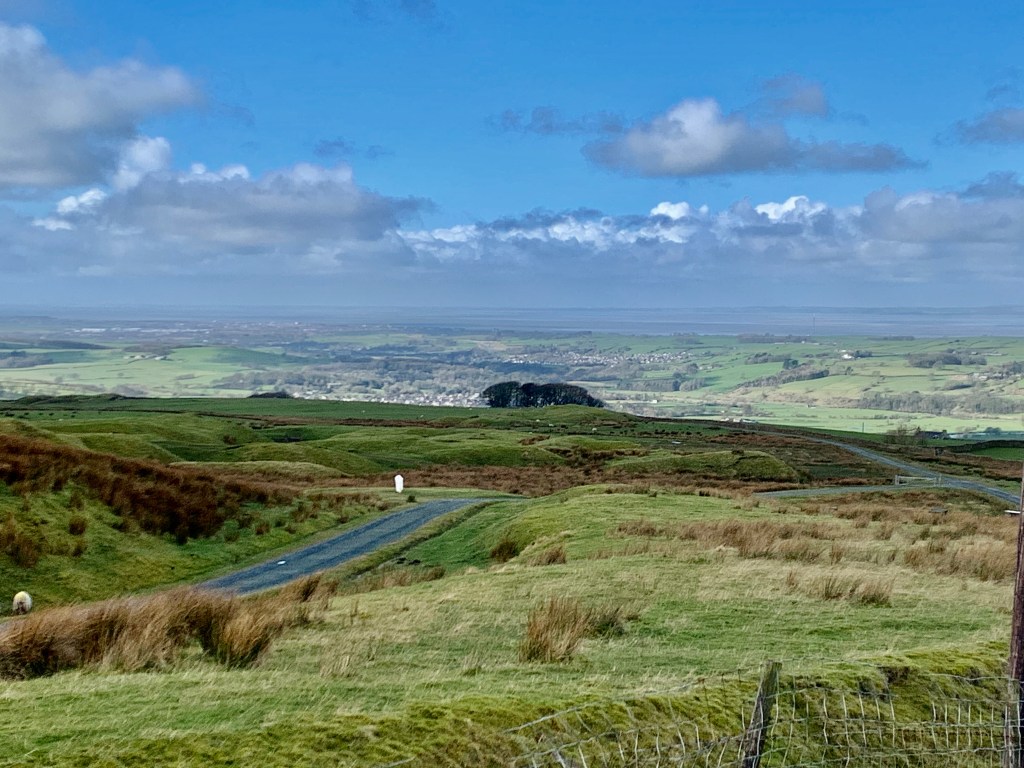
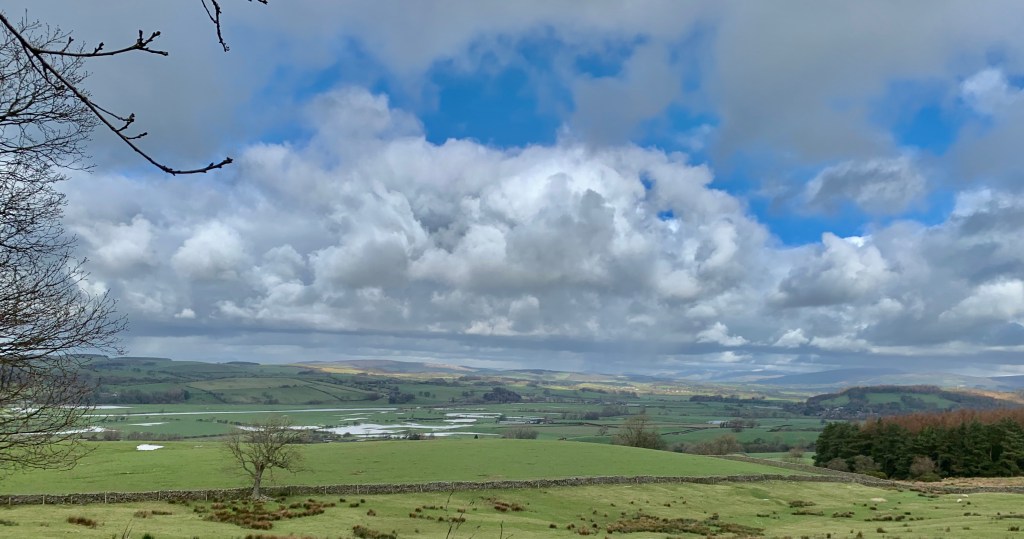

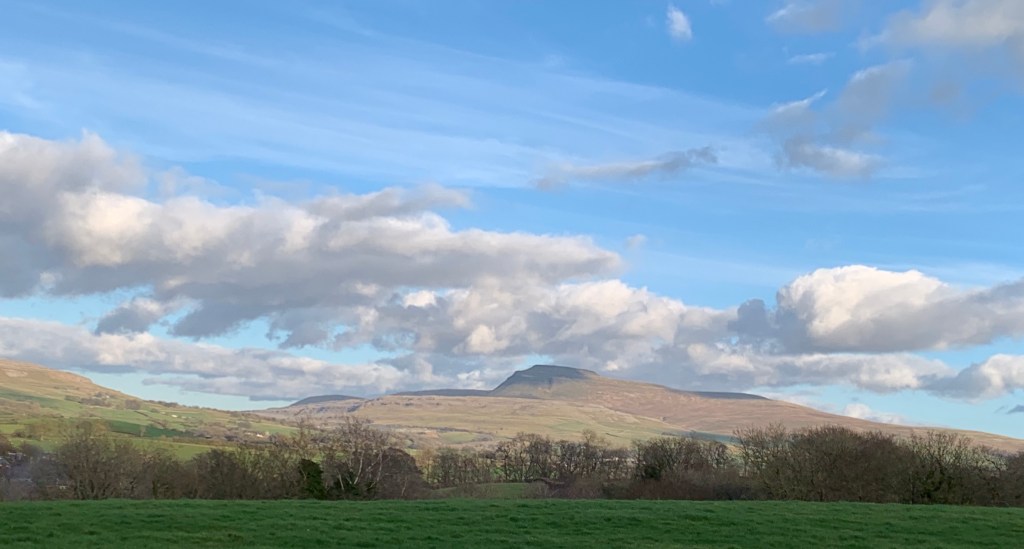

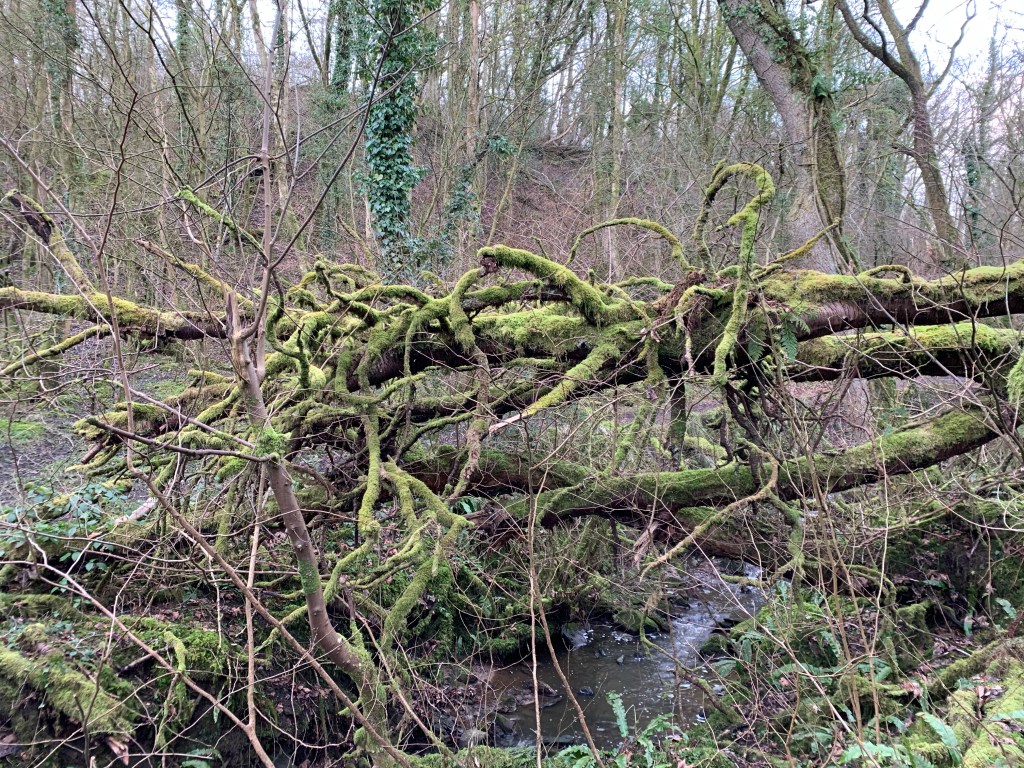
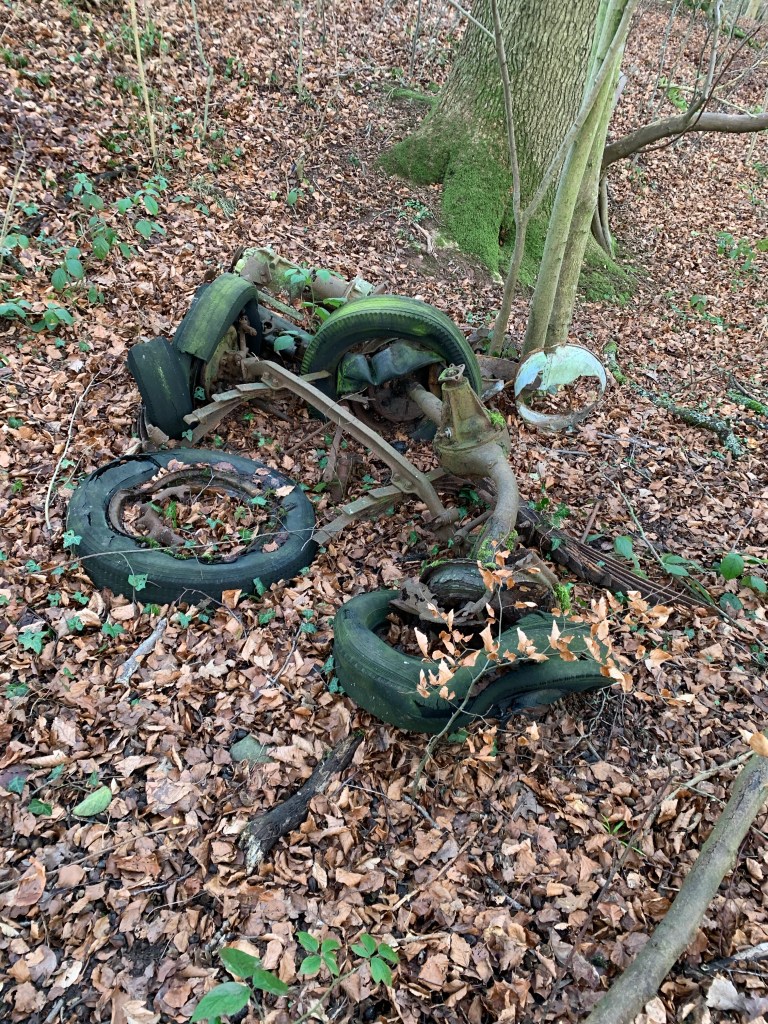
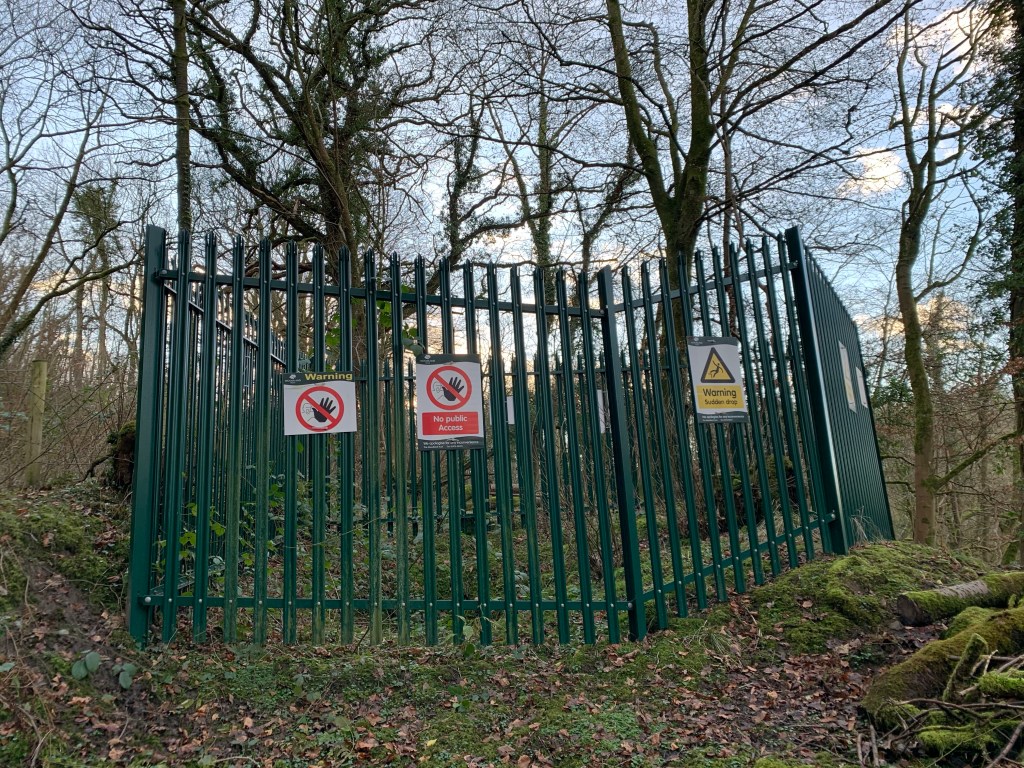


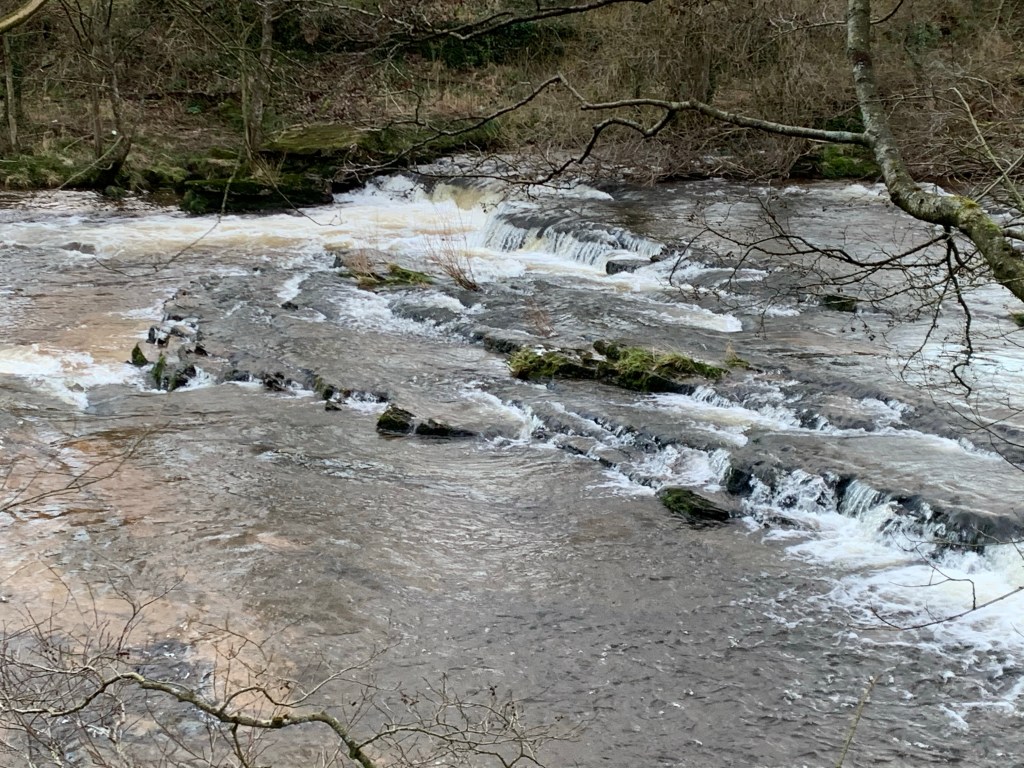

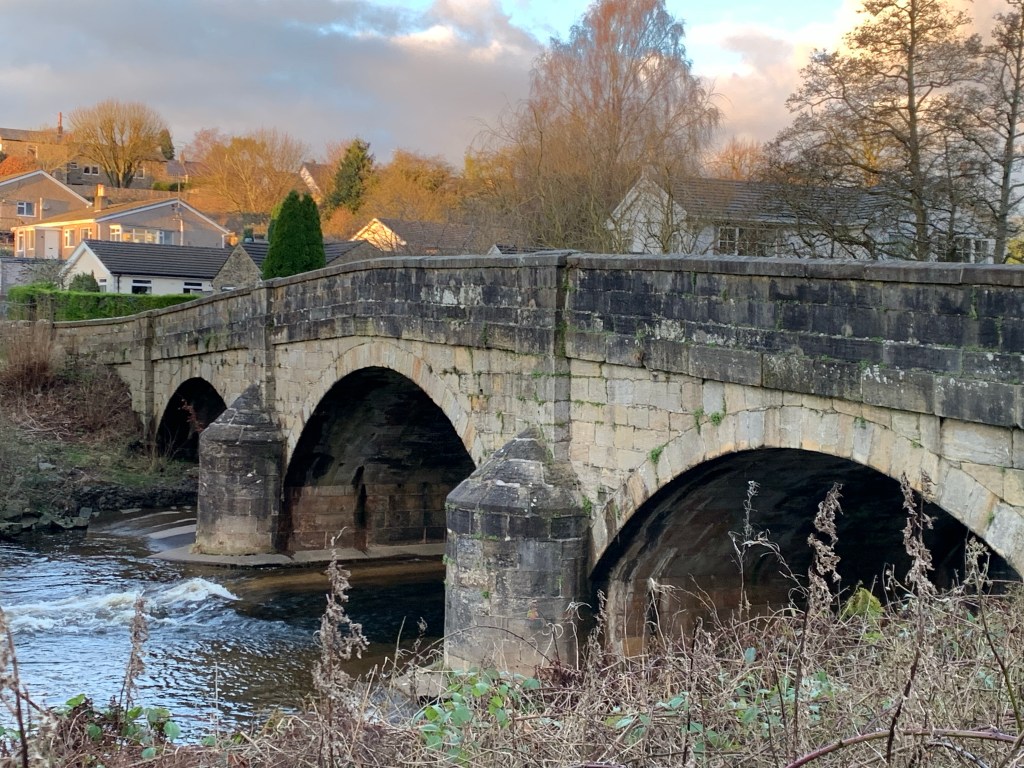


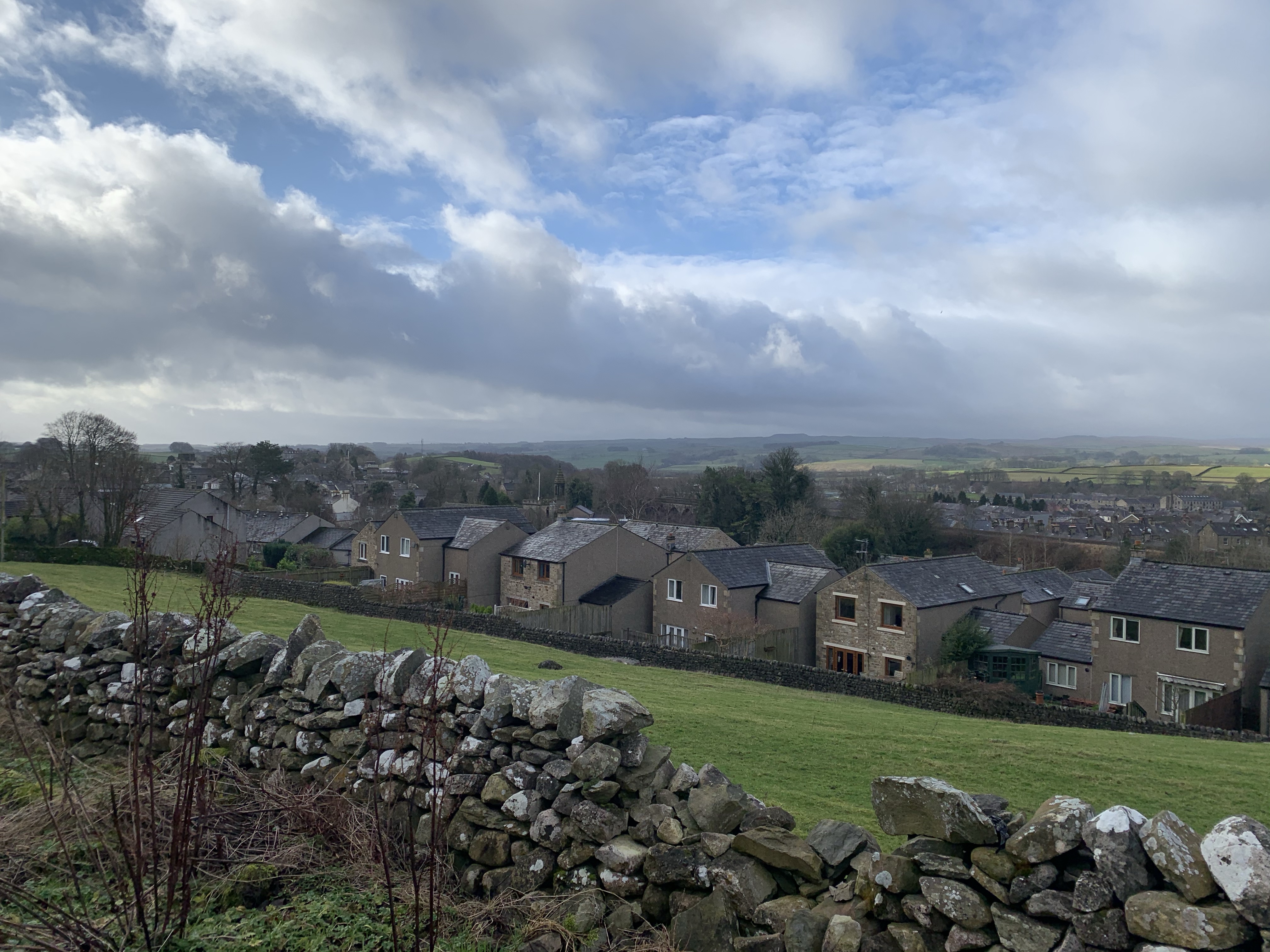
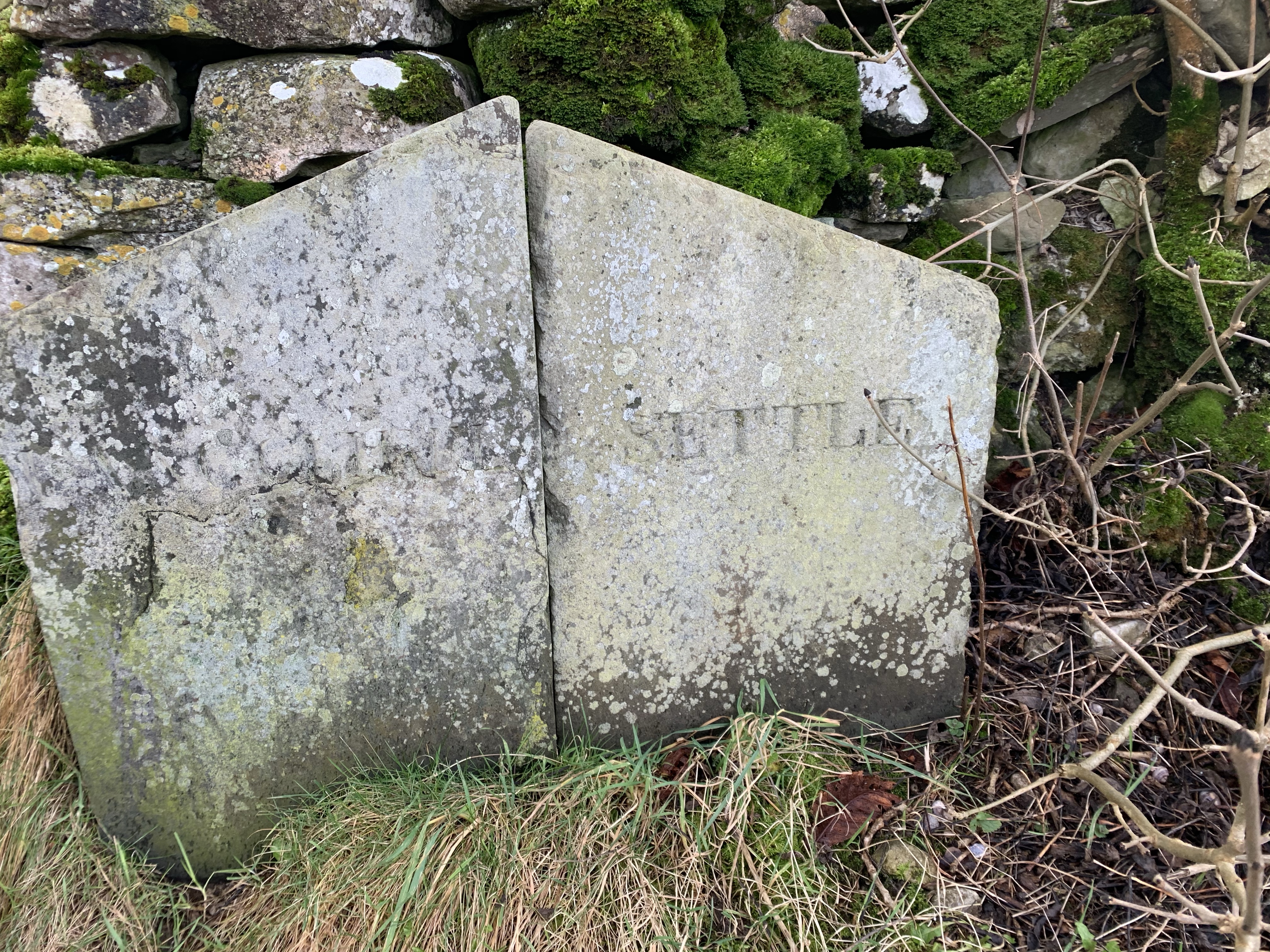

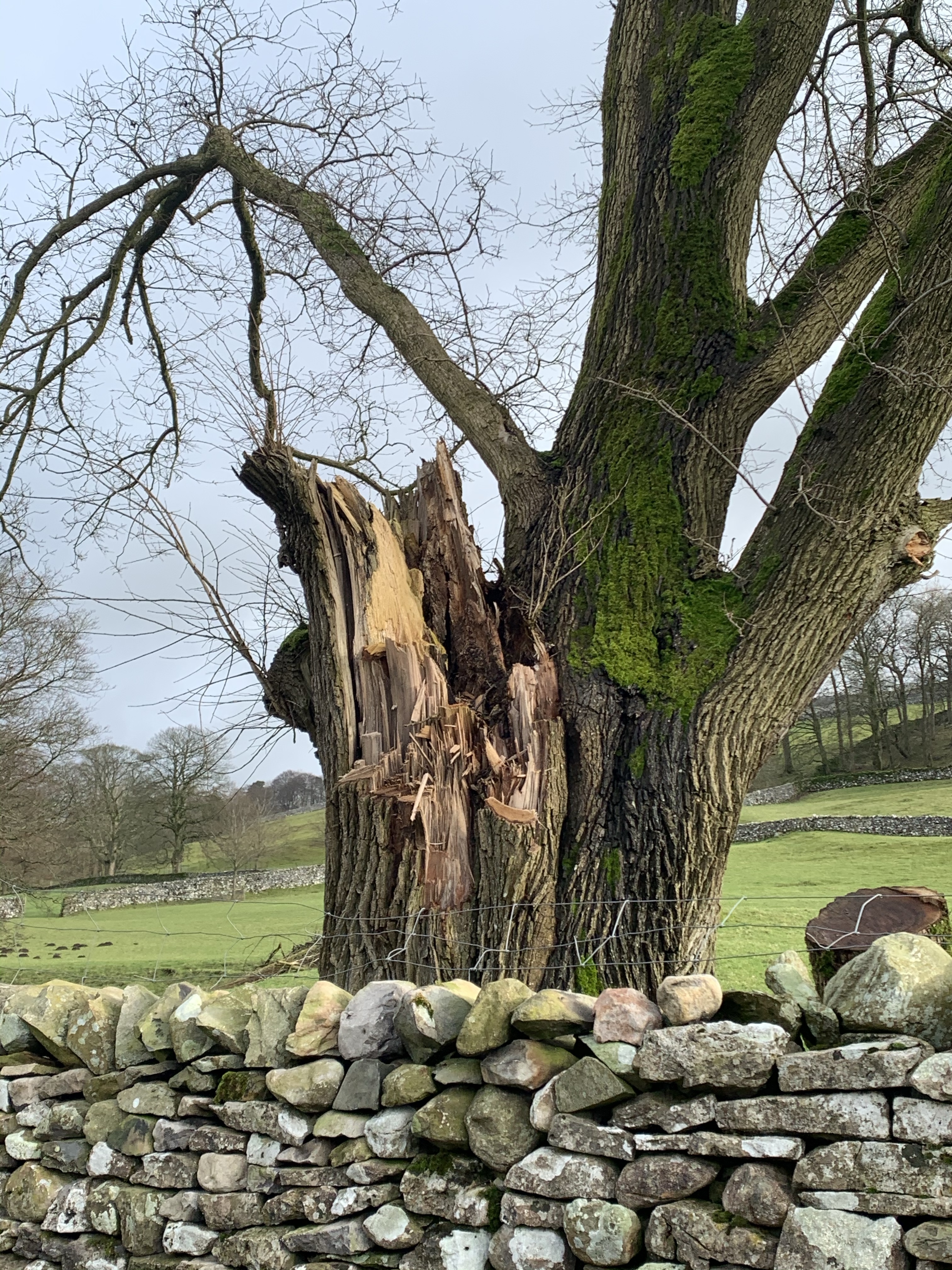
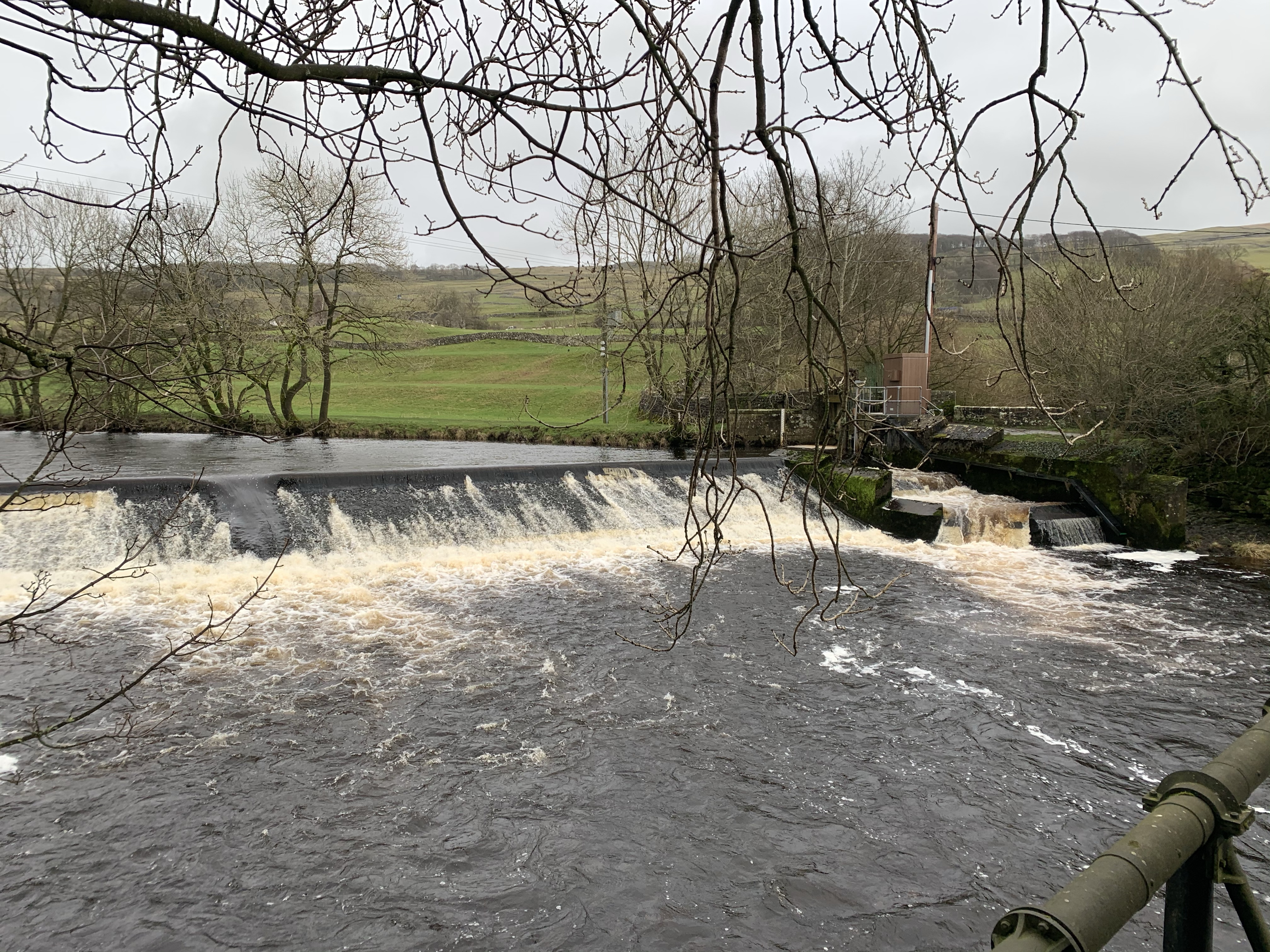
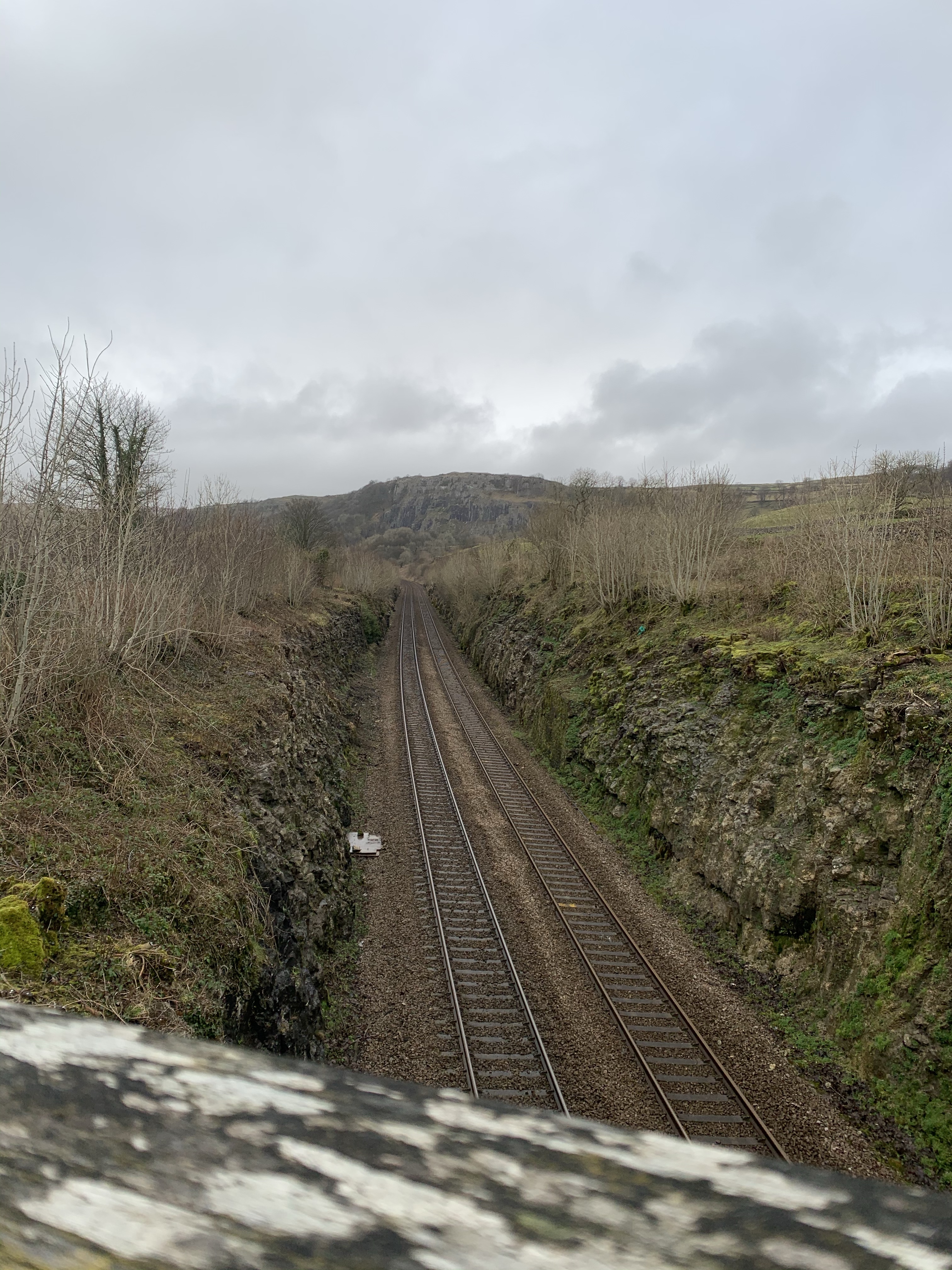 We dropped down the steady incline, to a huddle of cottages and a weir. The River Ribble was high, full of energy. It tumbled down the man made weir with its little runways for the salmon to leap up when spawning. We paused to admire the river, the fields full of ewes ready to lamb and a better view of the fells all around.
 We continued along the footpath up towards another little community Stackhouses. We now were heading back to Settle. We walked along the little road together until we reached a fingerpost and a gated stile. Pushing through, we strolled across a wide field. I kept The Dog on lead. There were sheep in the field, albeit down the very far end and down a dip, out of sight, but farmers can still get cross. We soon came to another gate and on the other side the footpath was fenced off from the rest of the field, so The Dog got unleashed again. We were again high up overlooking the river and a large factory opposite. Think it’s some sort of aggregate place and it jarred against the scenery it stood in.
 We went passed a farmhouse and up to a stile. There was an opening built into the fencing for dogs who were too wimpy to jump stiles, but there was a length of wood that owners had to lift to let the hound through. The Dog had it figured and waited for me to plod up to lift the barrier. I was scanning the next field for livestock and wanted to make sure before I let The Dog through. I clambered over the stile first and as I landed and went to open the dog barrier, my impatient mutt decided to follow me and leapt effortlessly over the stile. Sometimes I do despair of her, but admire her ability to negotiate such obstacles with more grace and ease that I’ll ever muster.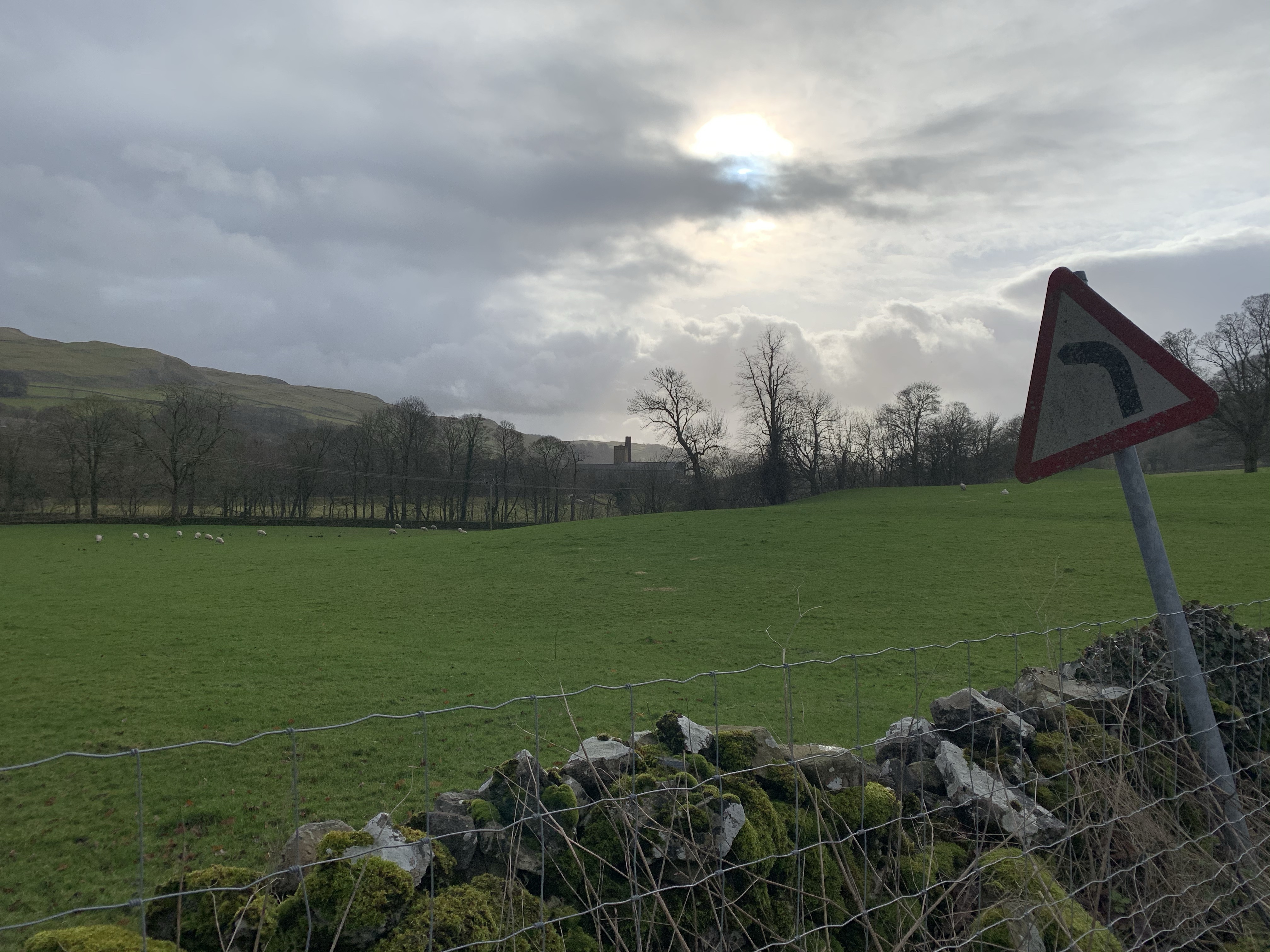
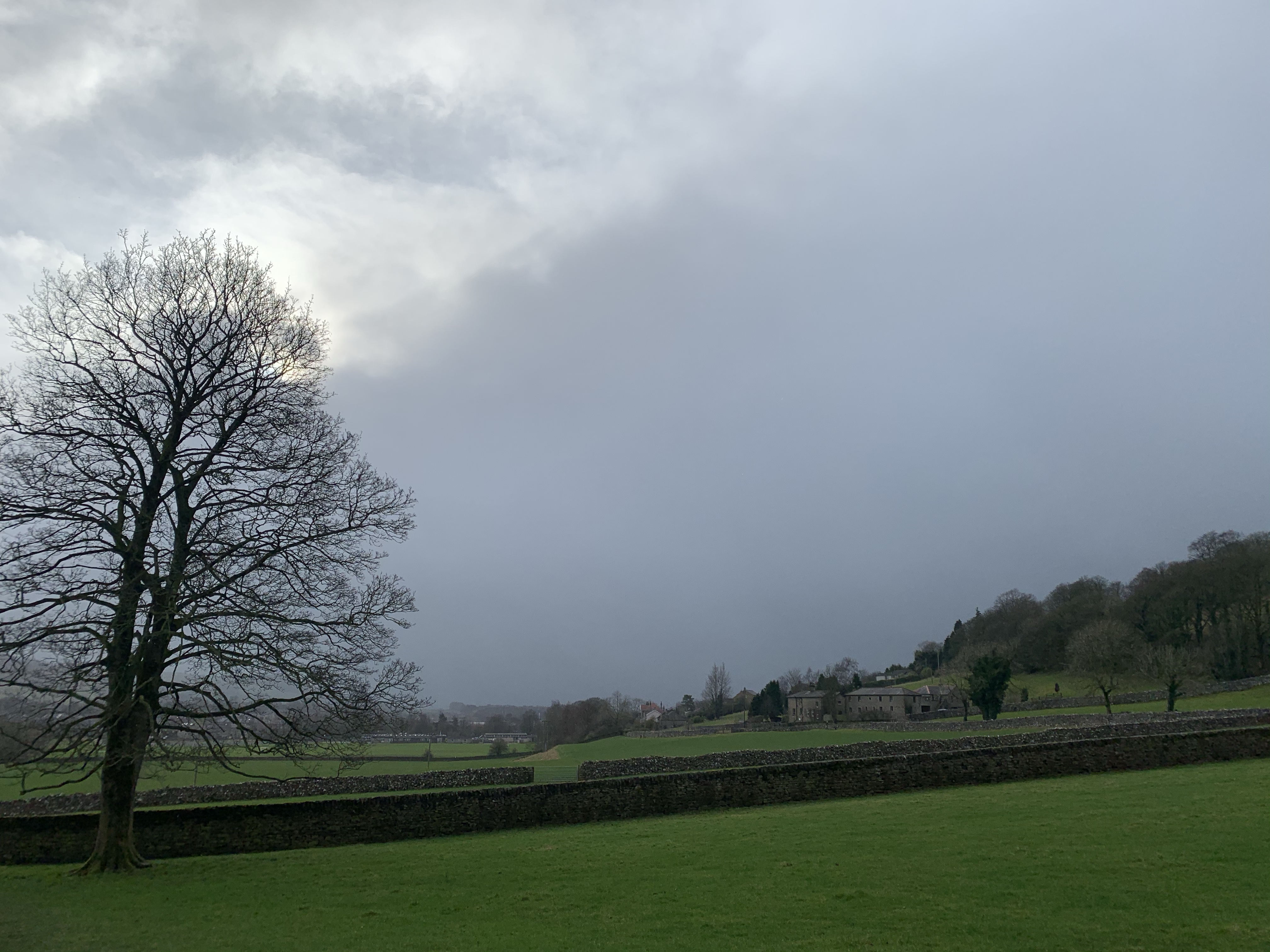

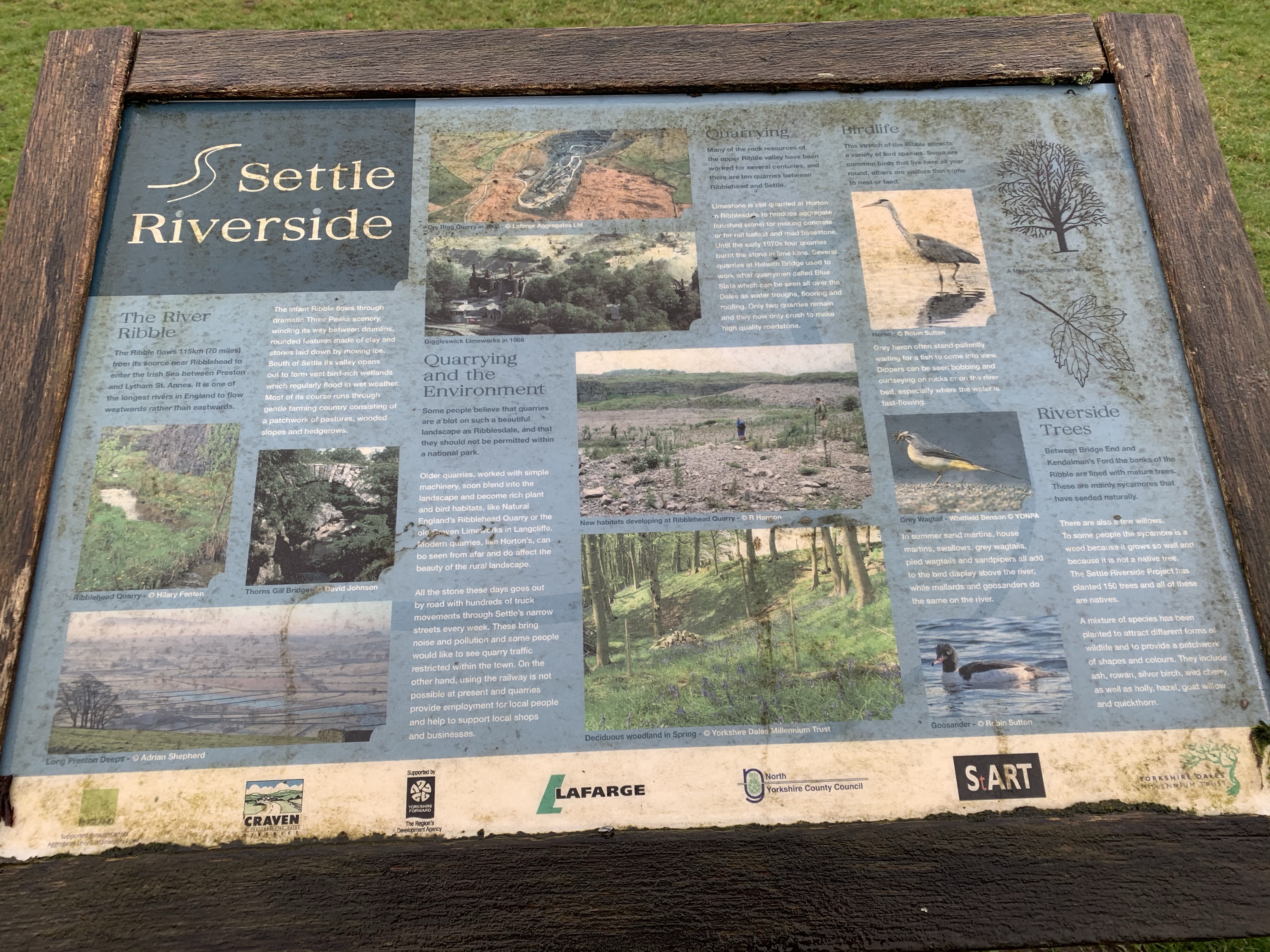

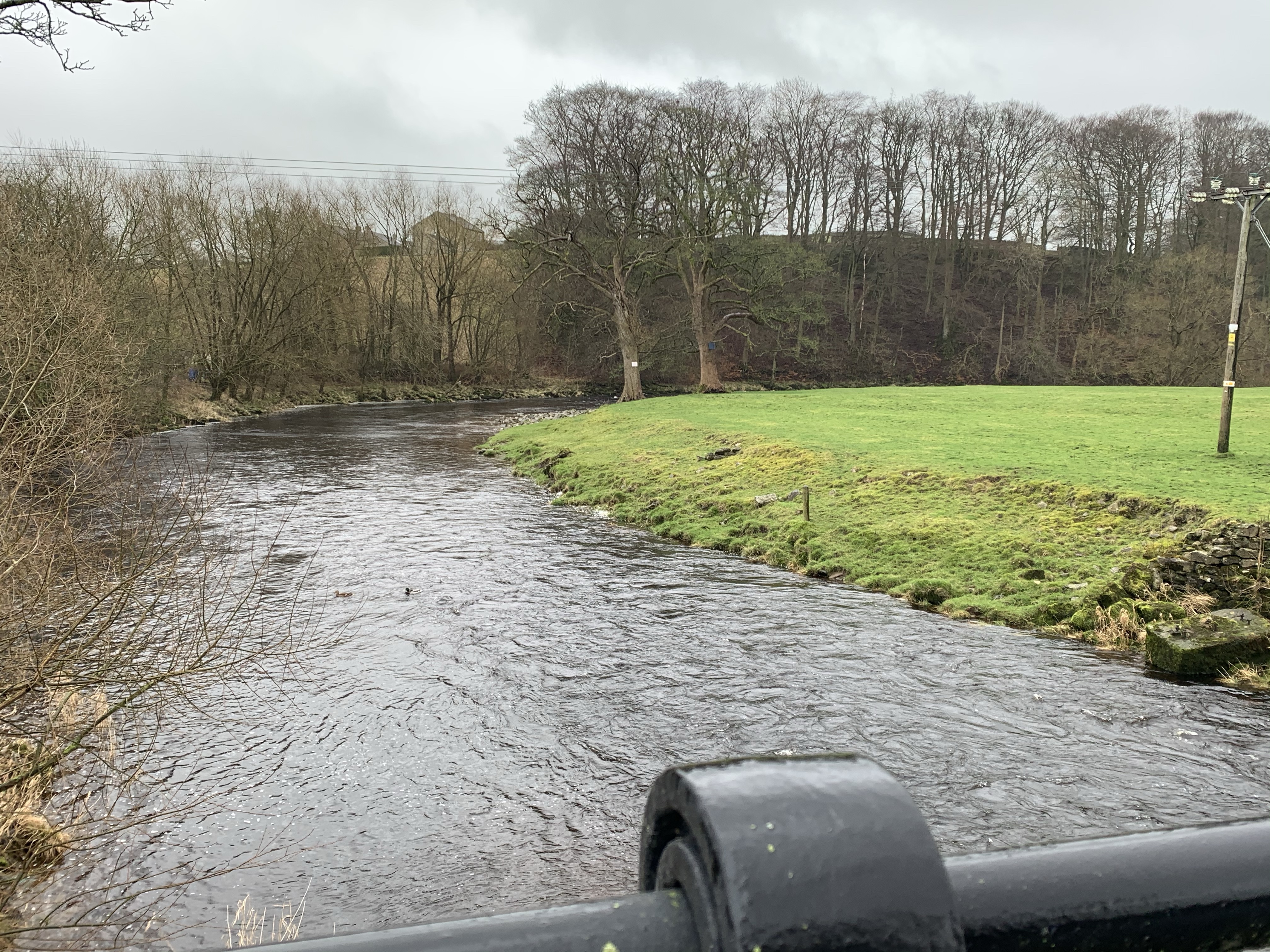 We walked through a little housing estate and a path between the houses, onto another road and back towards urban life. We turned left to head back into town and the car. Over the river, past the Land Rover showroom and industrial estate and up toward the station. We did a little shopping. The town was quiet, though full of parked cars. Perhaps everybody was cowering in the numerous cafes. Our business done, we sauntered back to the car and headed home. The timing was perfect. It seriously started raining and you could tell it was in for the rest of the day. The wind was getting up too. Time to hunker down.

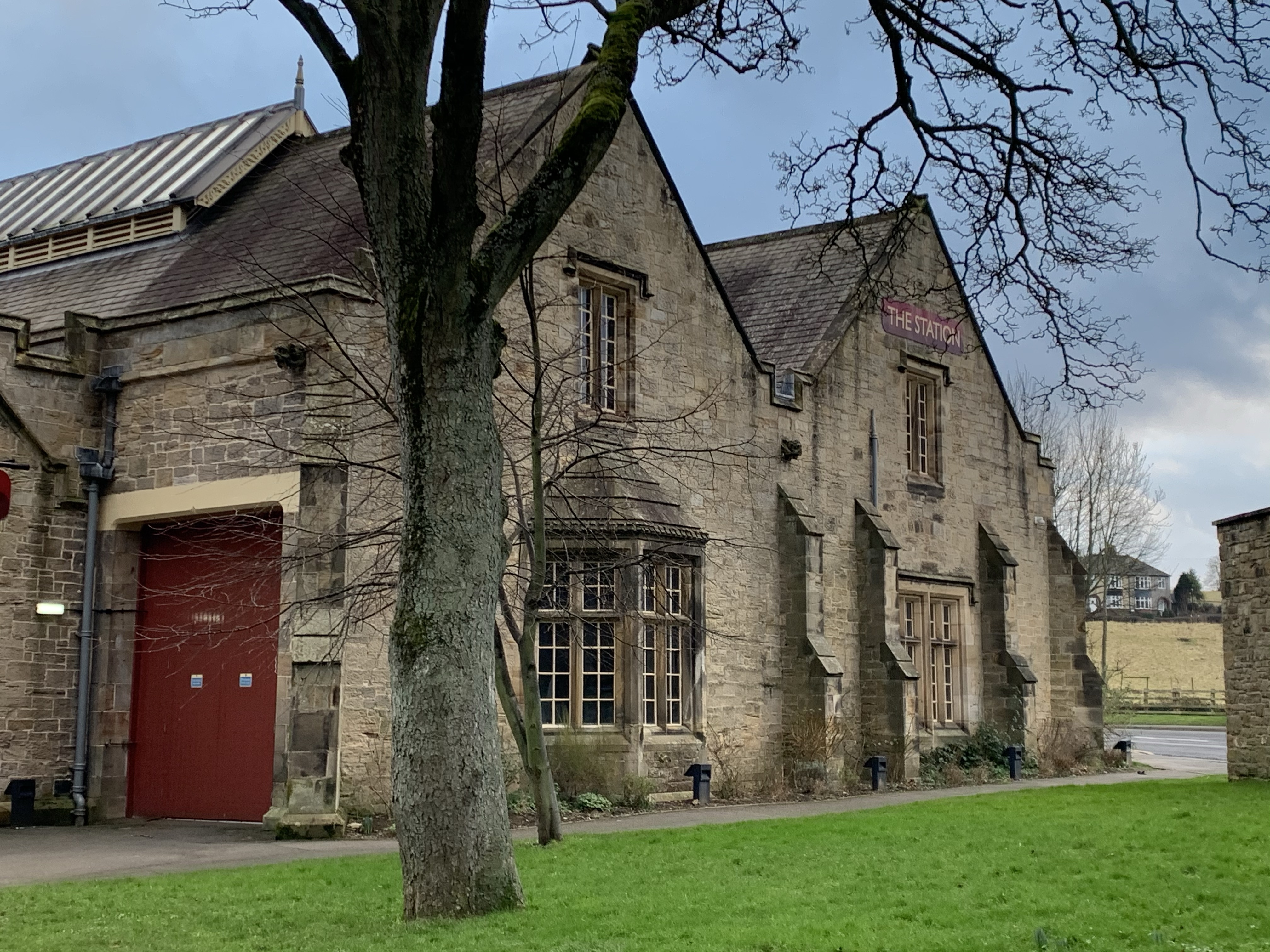
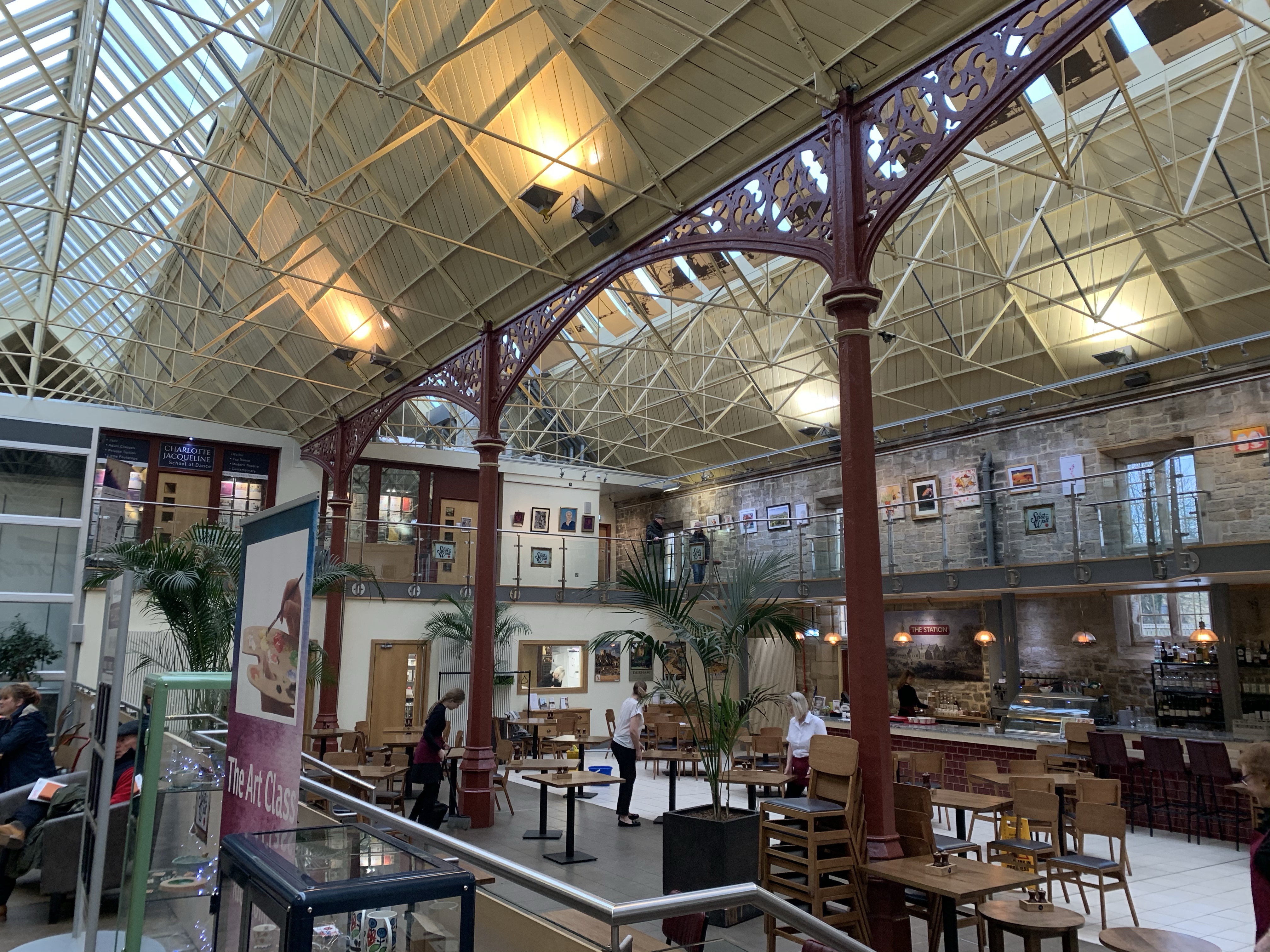
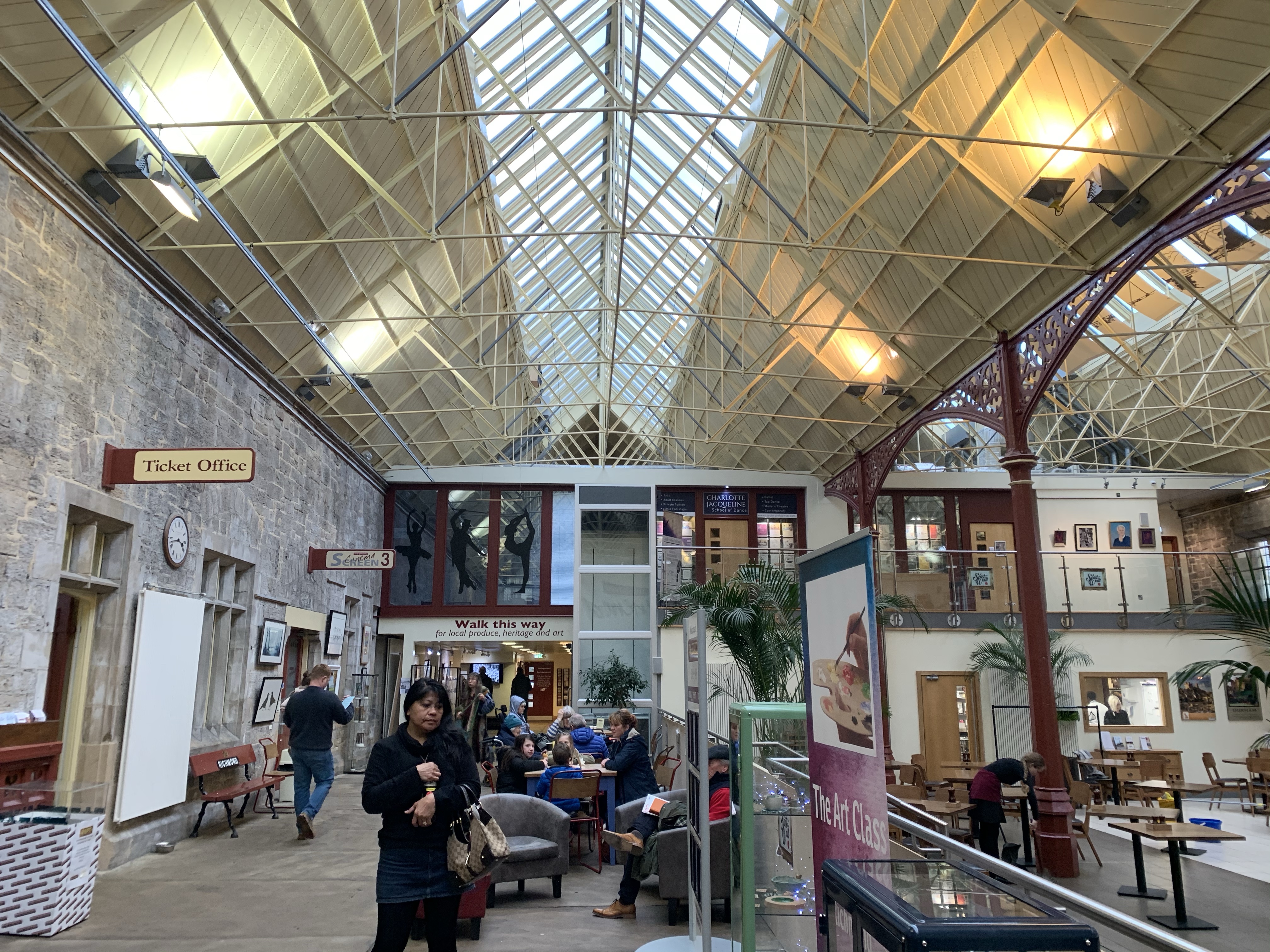
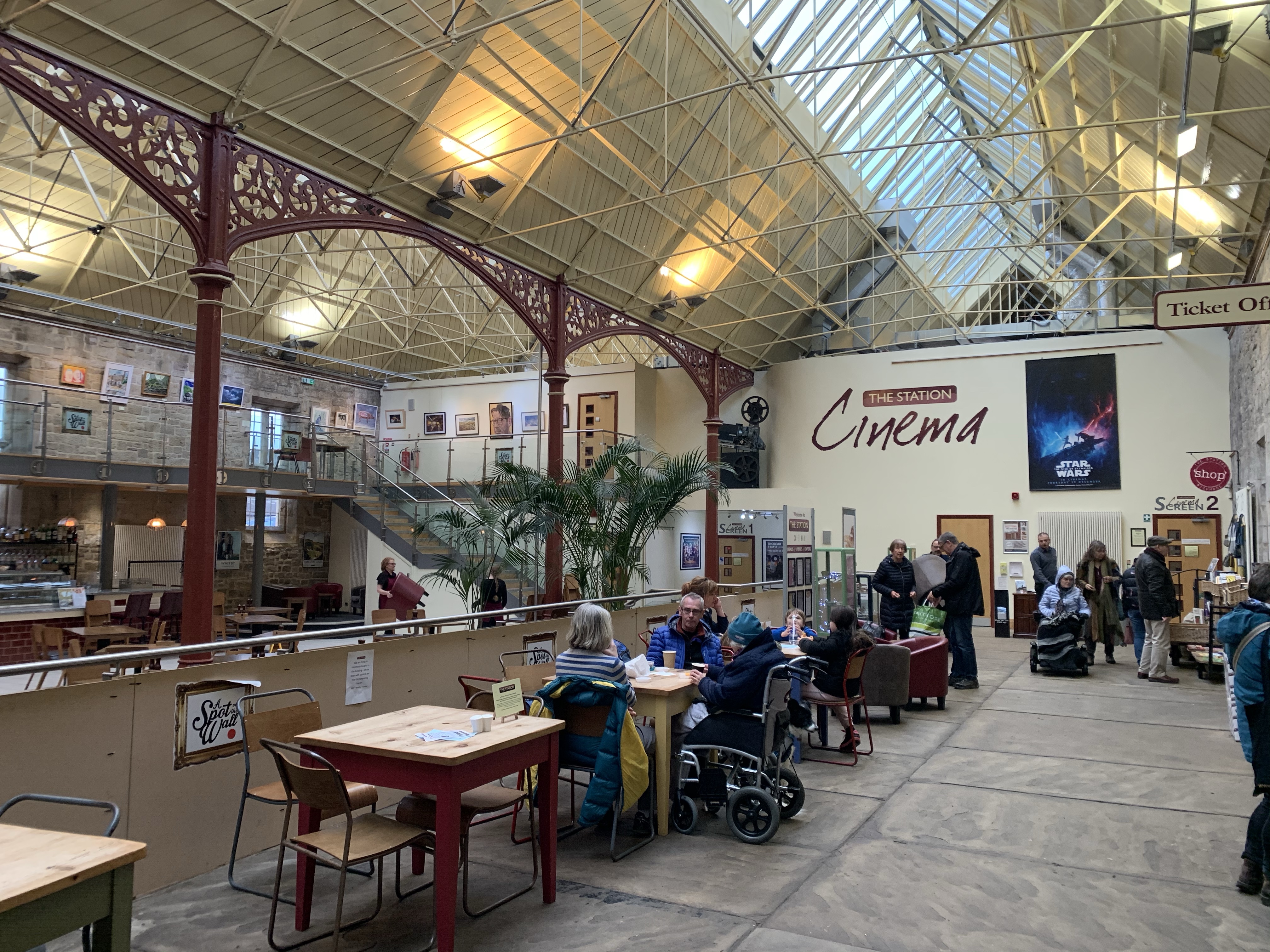

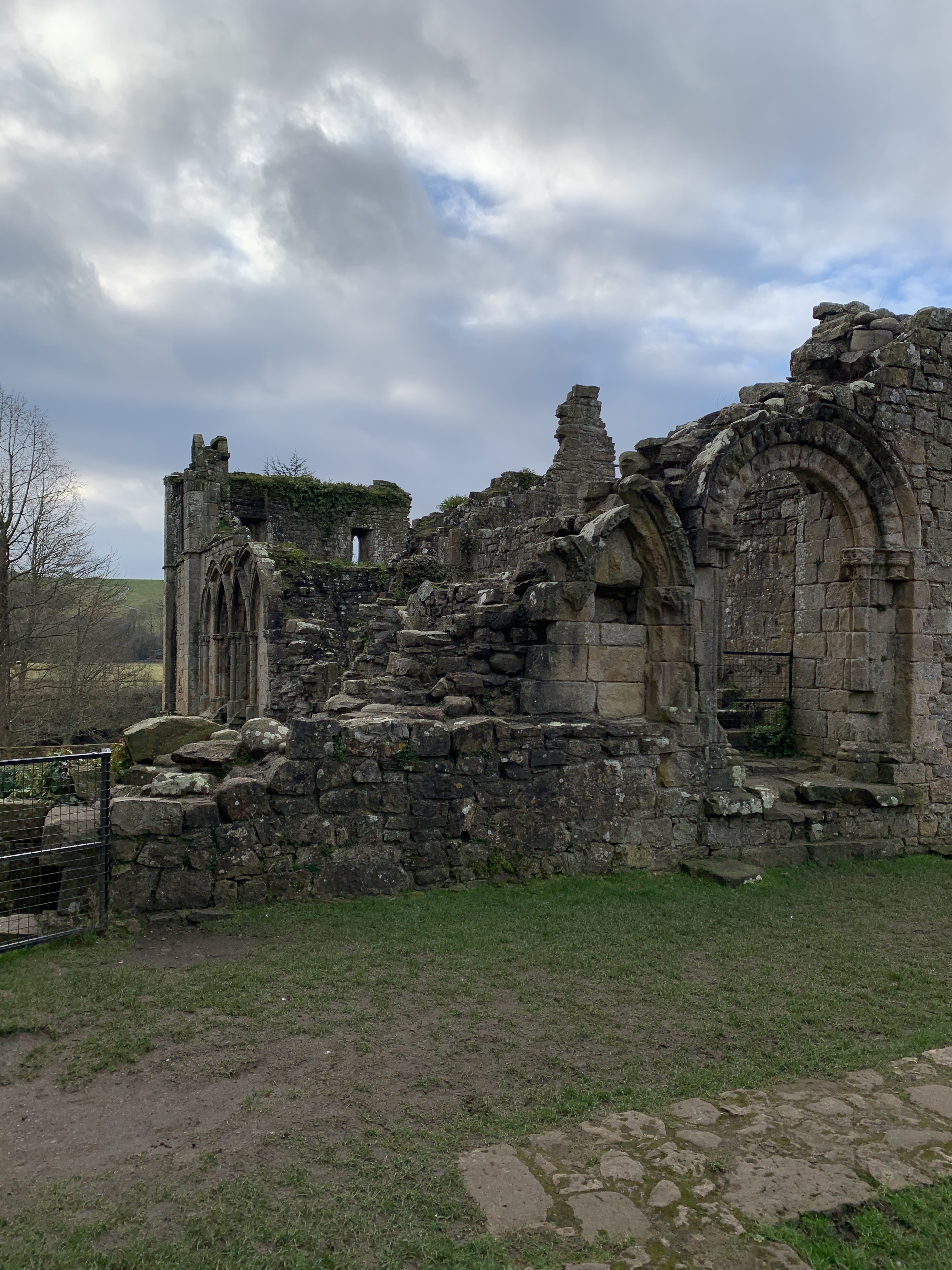
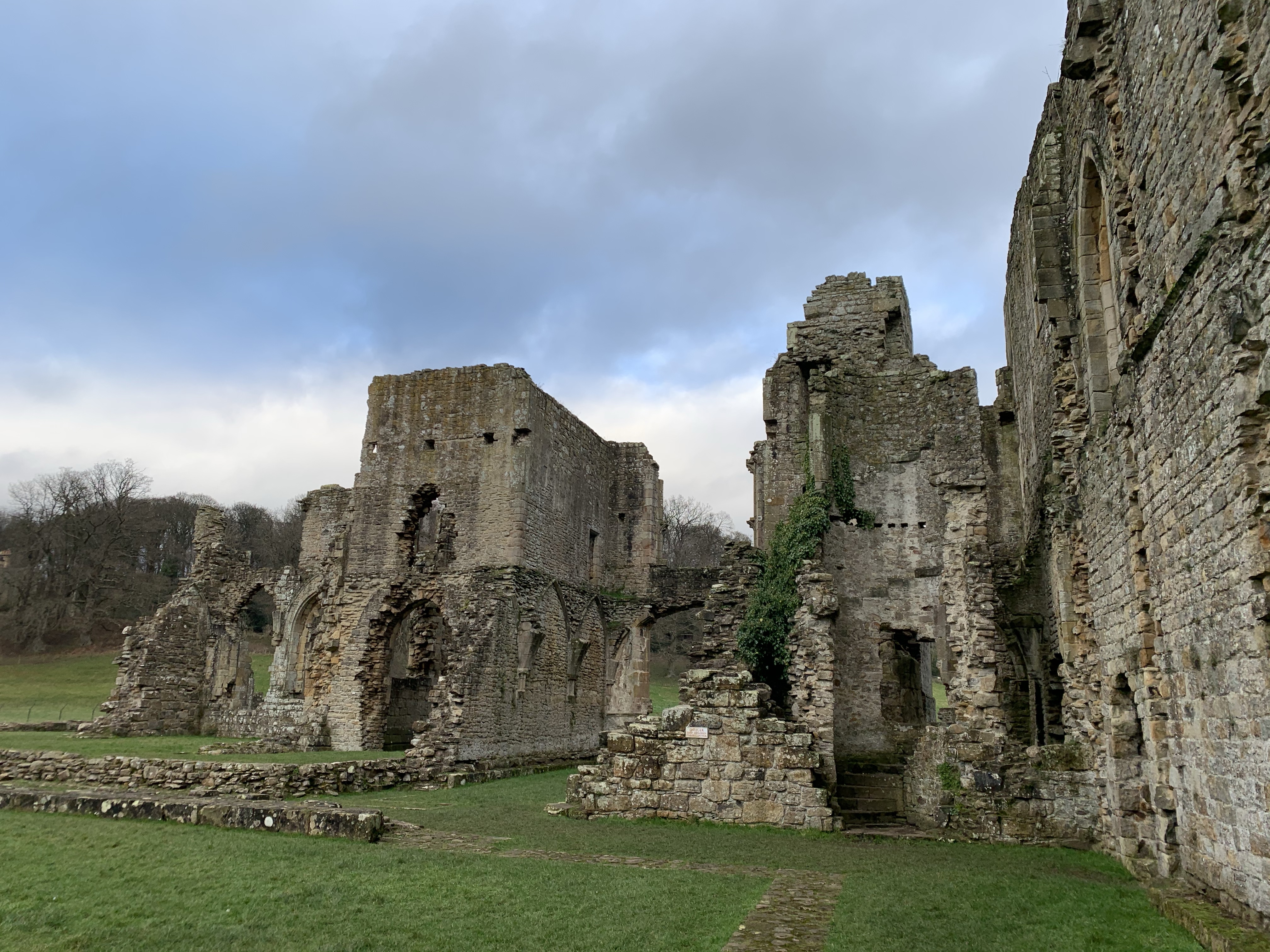
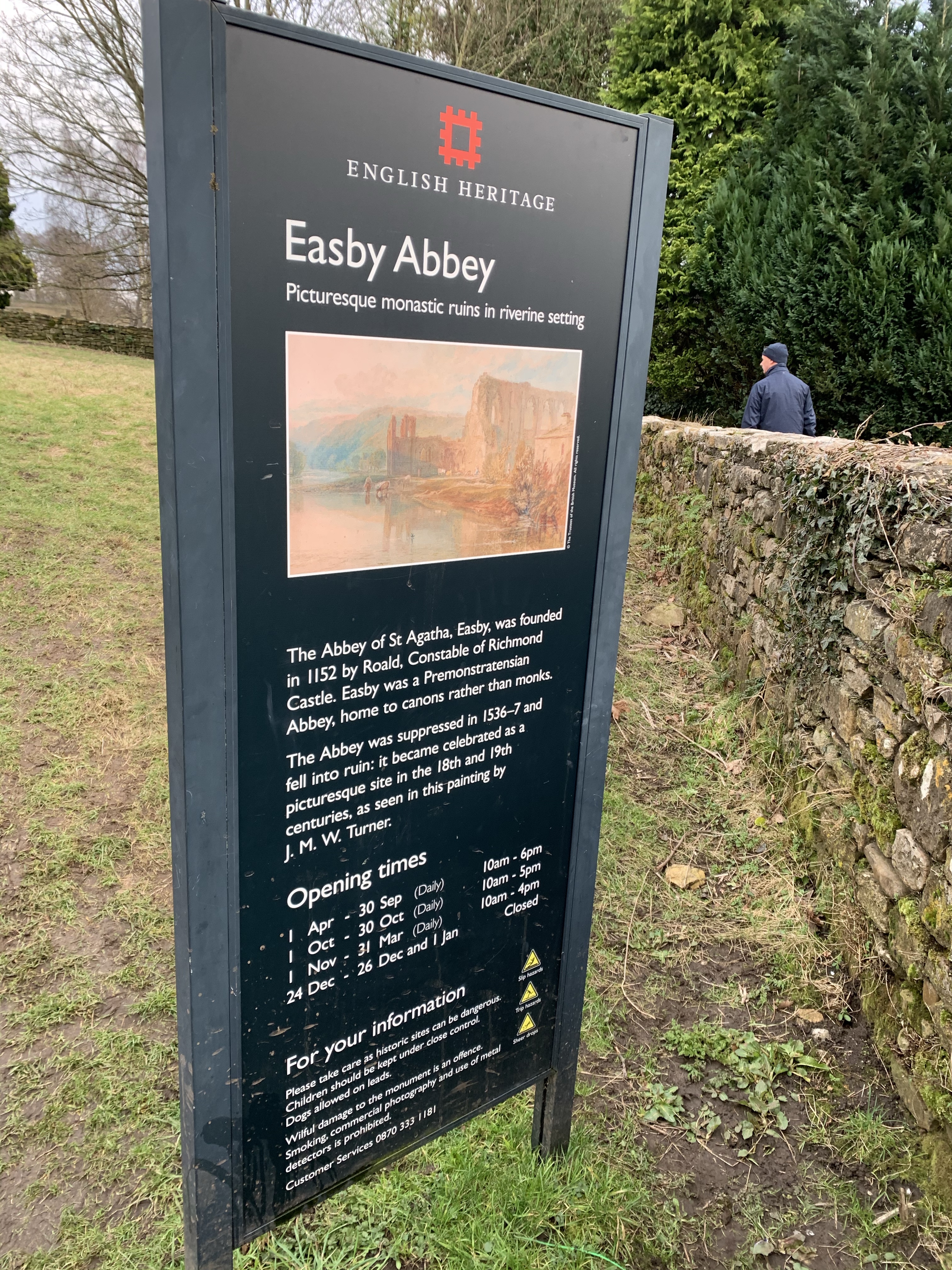

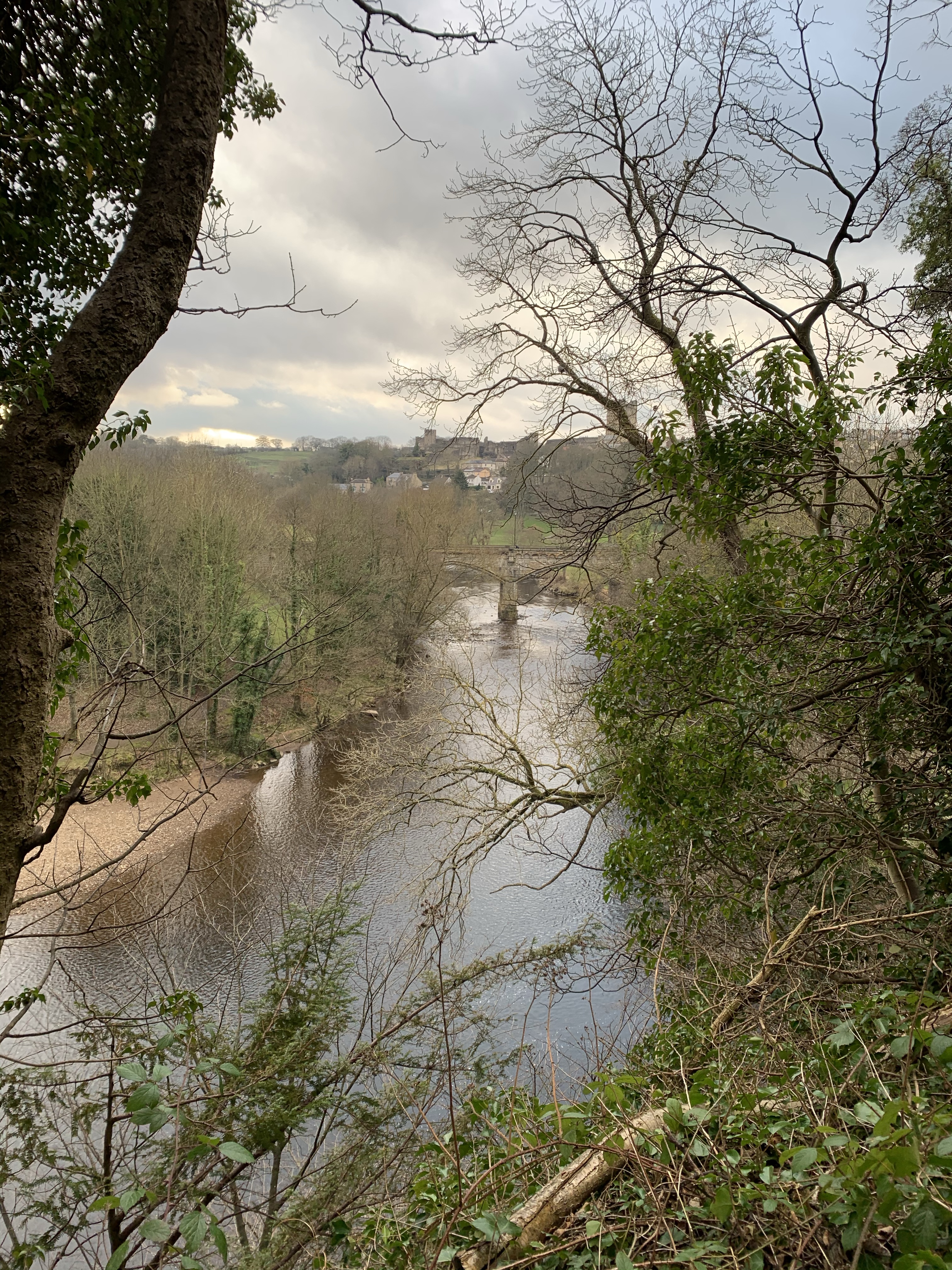
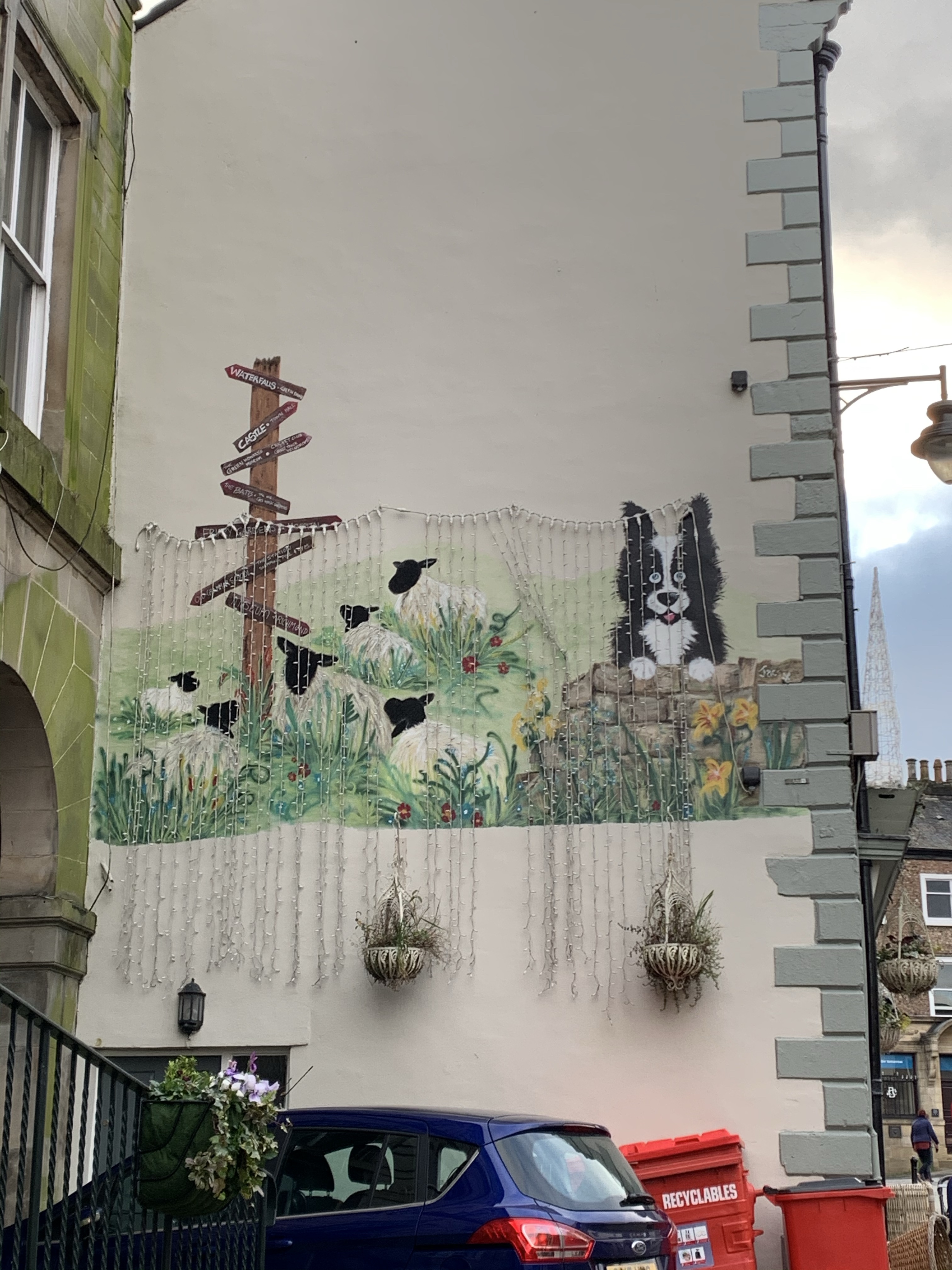

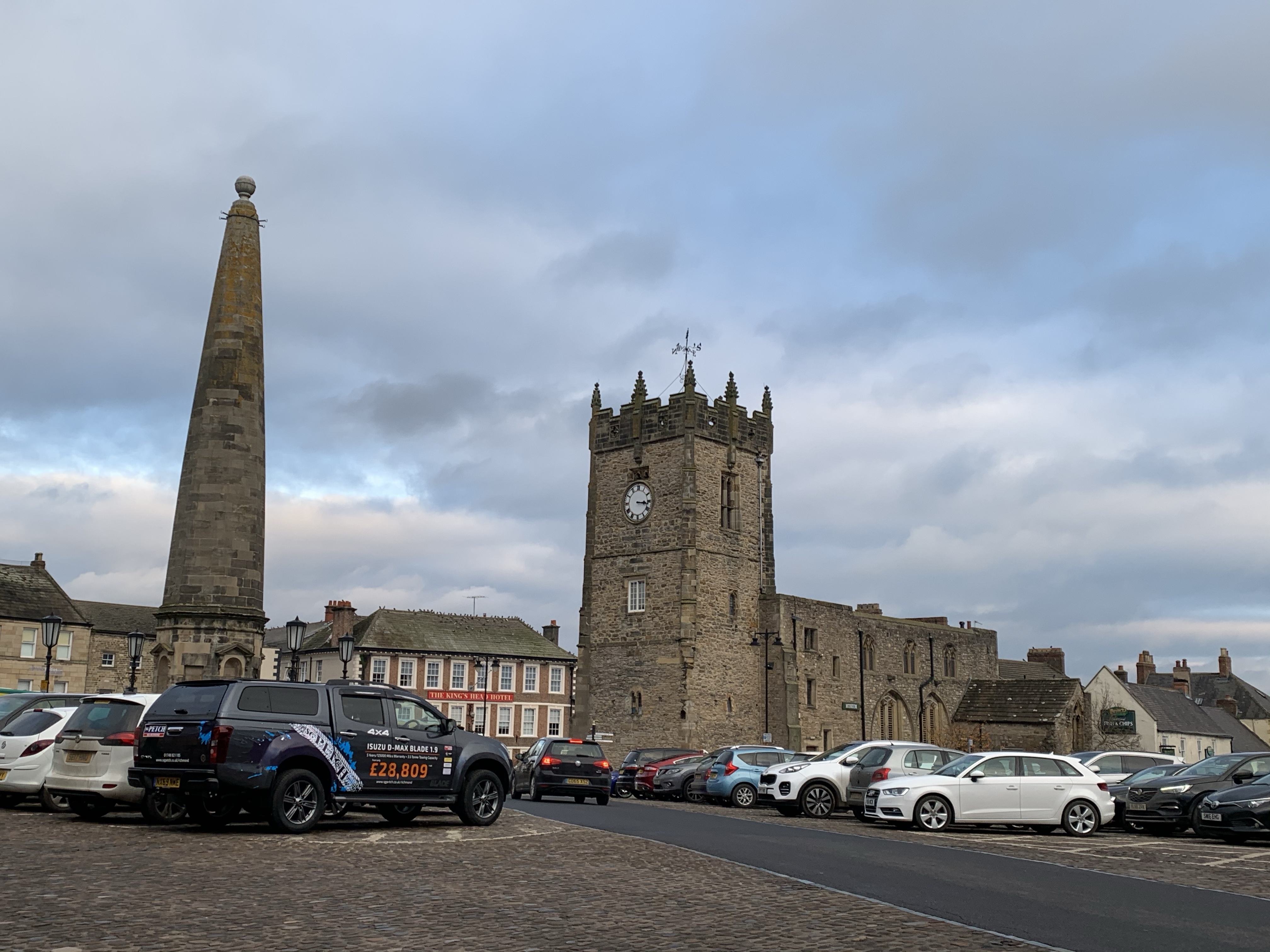
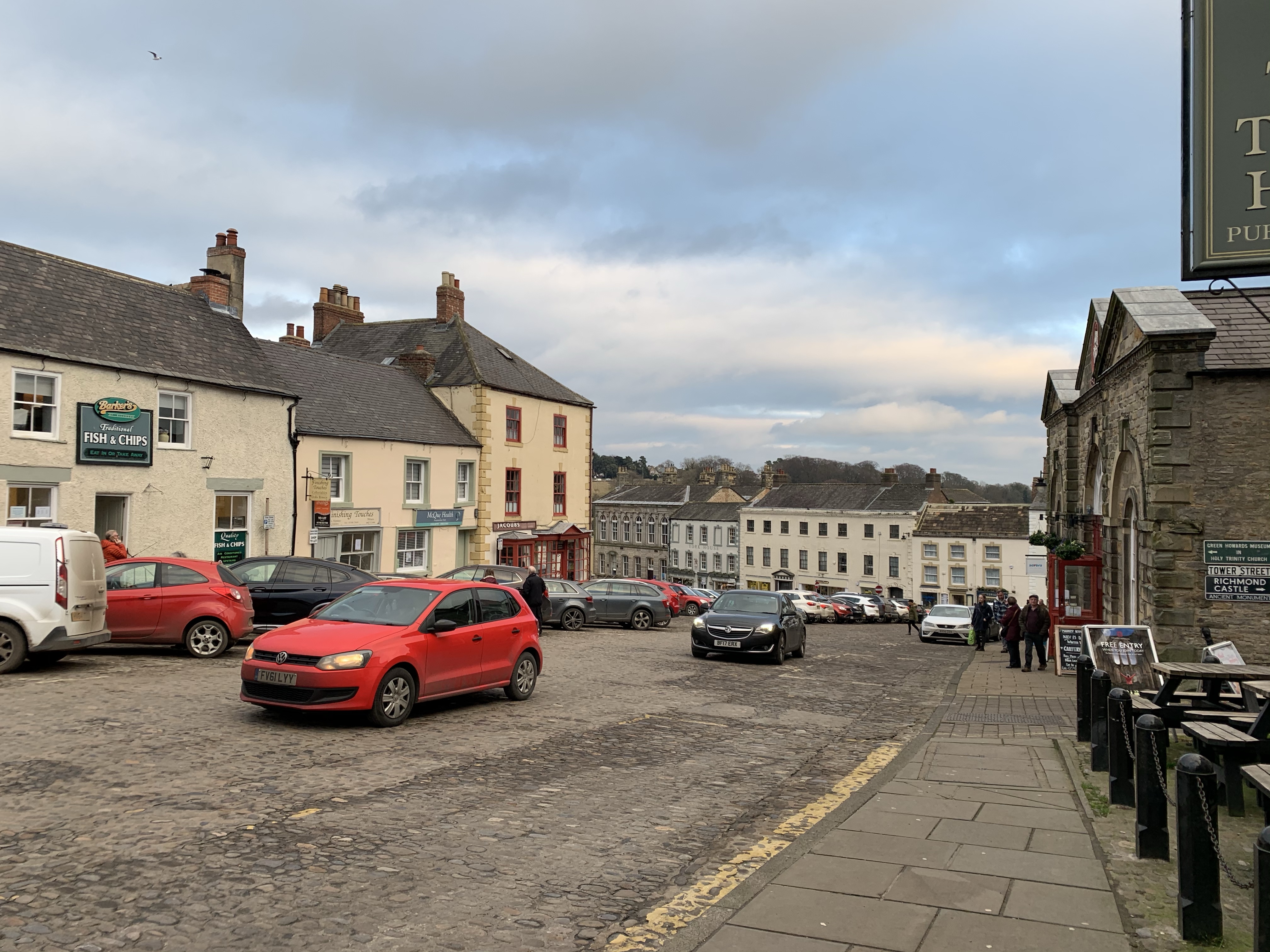
 It was now coming up to 4 o’clock, the light was starting to go and it was time to ahead home. We retraced our steps back to the park and the bridge which we crossed to get back to the car park. We drove slowly out of the town, up through its winding streets to the main road, where we took the route back up to Swaledale. We were hoping to have tea at the Farmers Arms in Muker – Yorkshire pudding with sausages and lashings of gravy, but alas they didn’t start meals til 6pm. It was only 4:30. Disappointed, we headed home, stopping off by the fish and chip shop for supper. Not quite Yorkshire Pudding, but it filled a hole and we were happy.
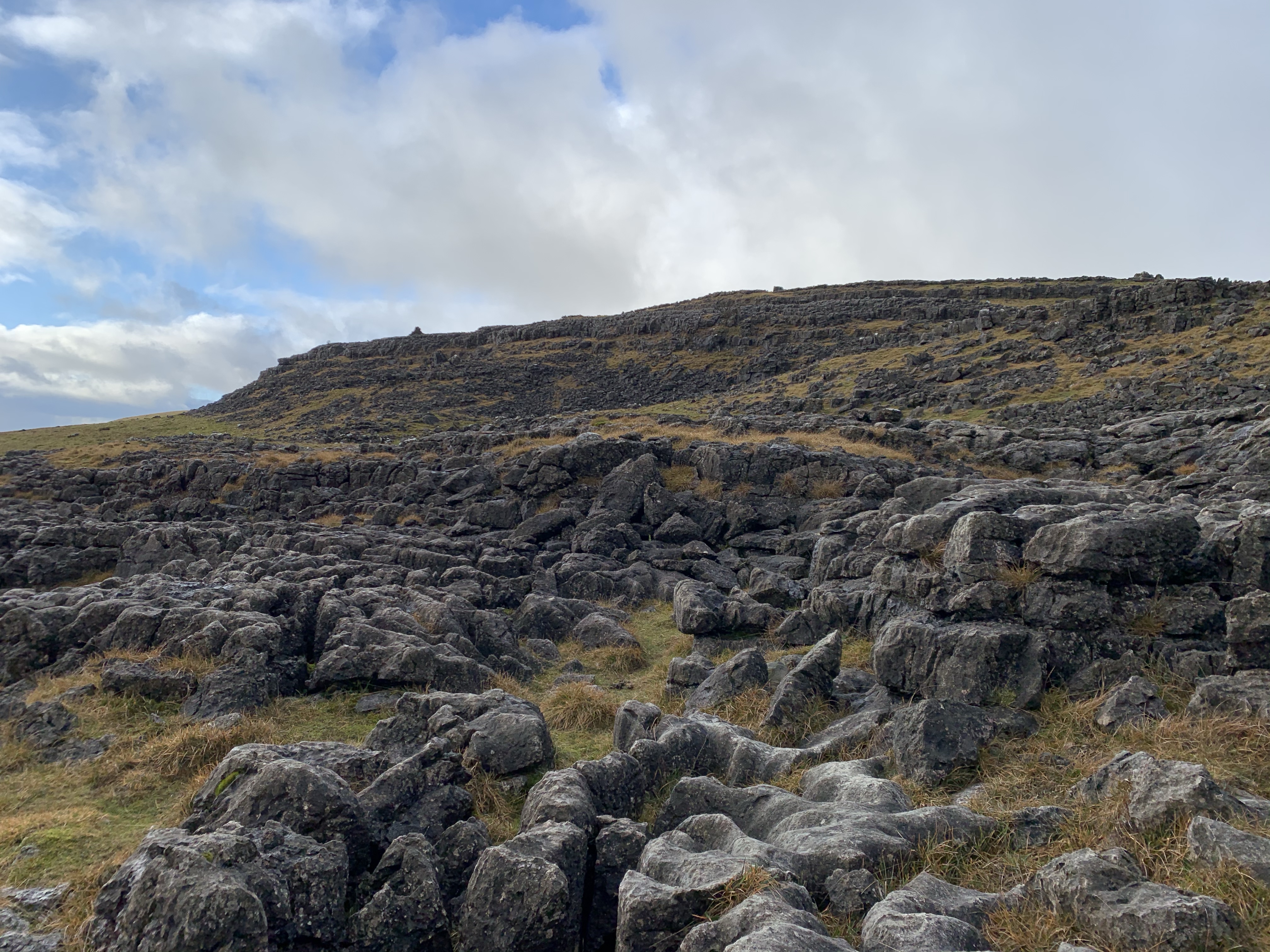
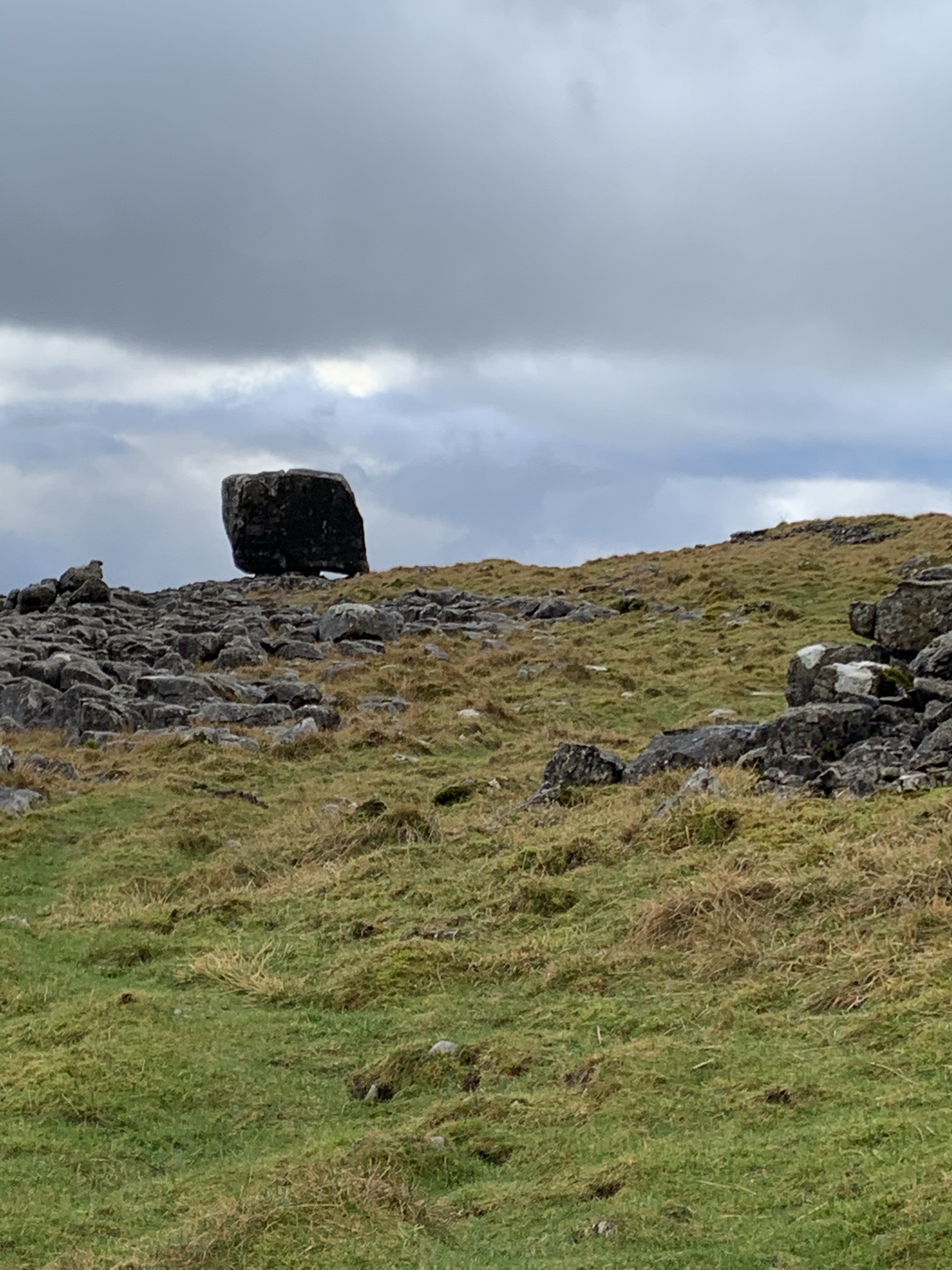
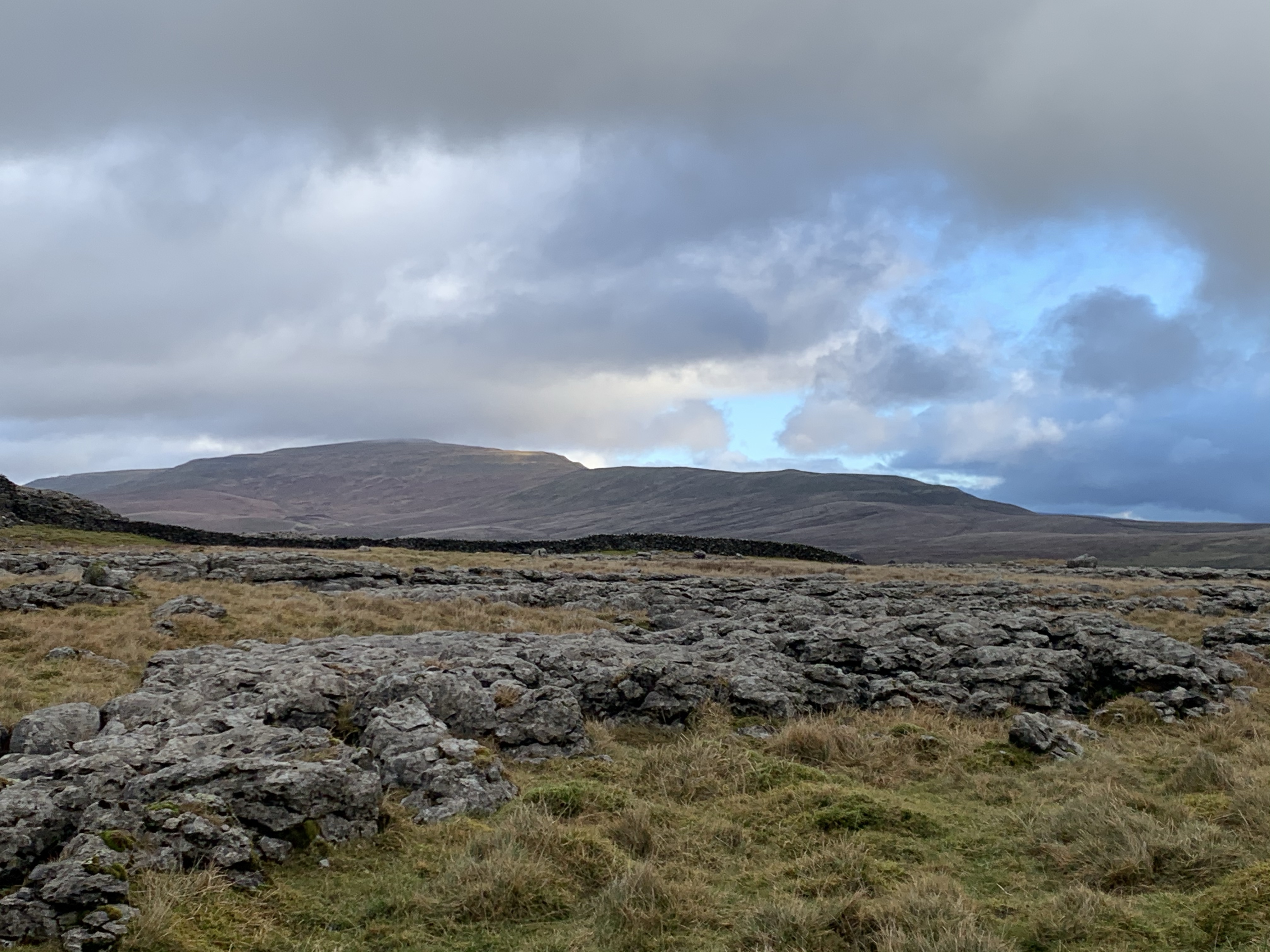 Once over, we continued to pick our way through the remnants of a limestone pavement. You had to watch where you put your feet and look out for wobbly stones. It was a good pull up. Finally the limestone petered out and we were able to stop and take stock. There were fantastic views across the valley. It was a broody day and a haze hung low. We followed a wall across the field until we joined a broad track and turned left.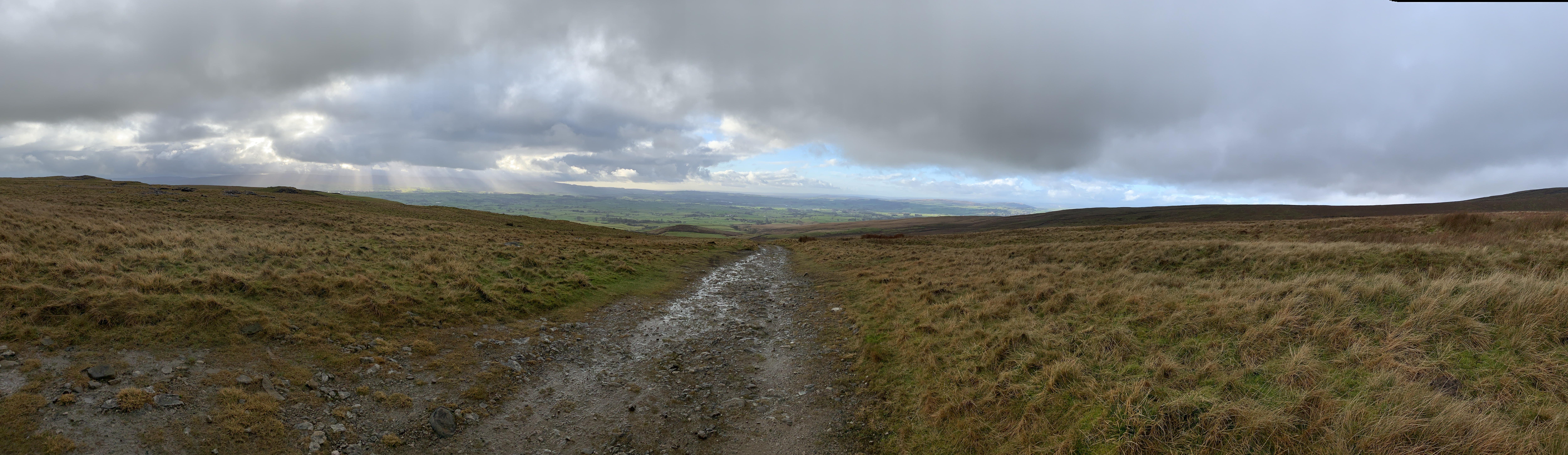

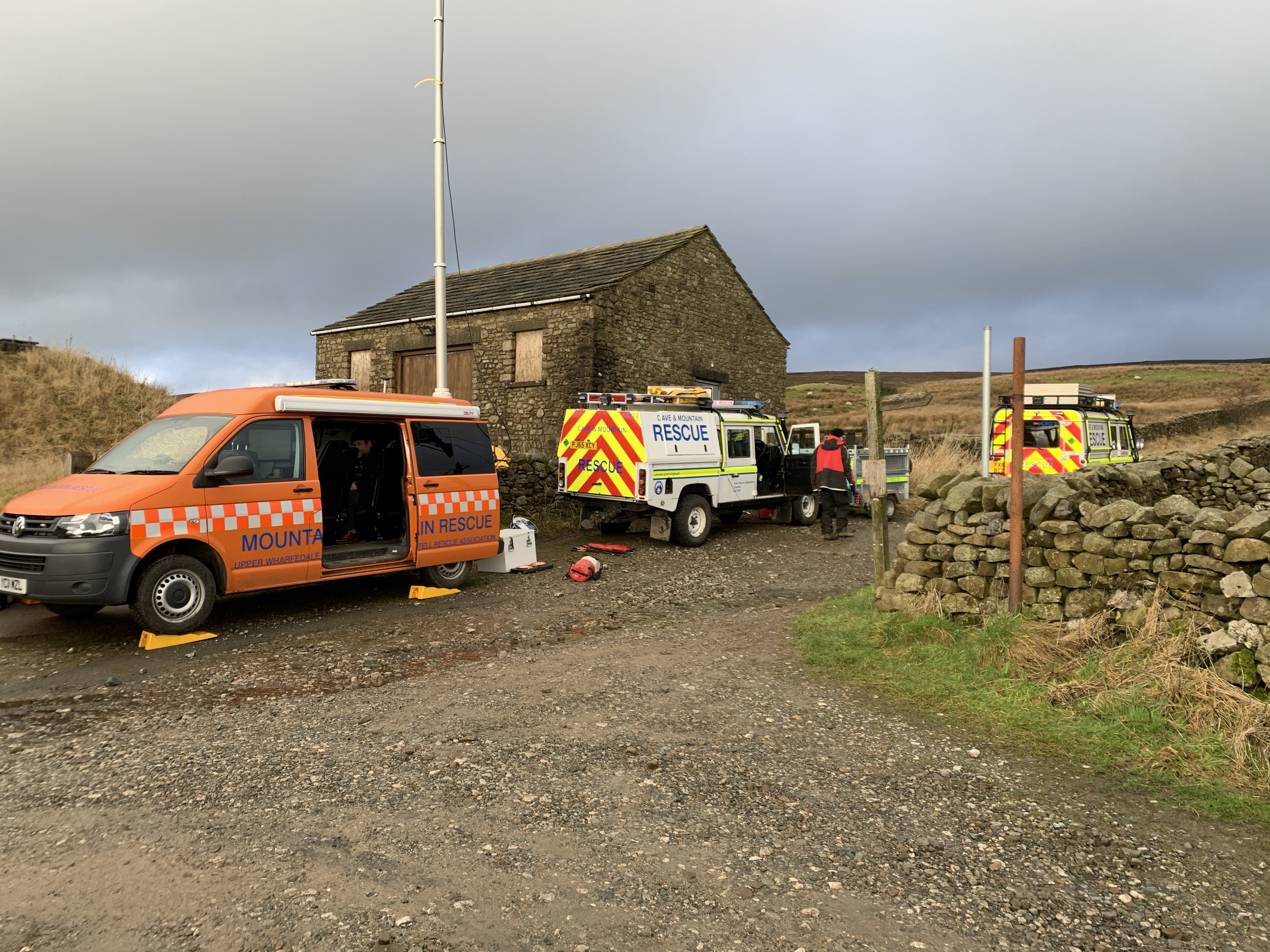

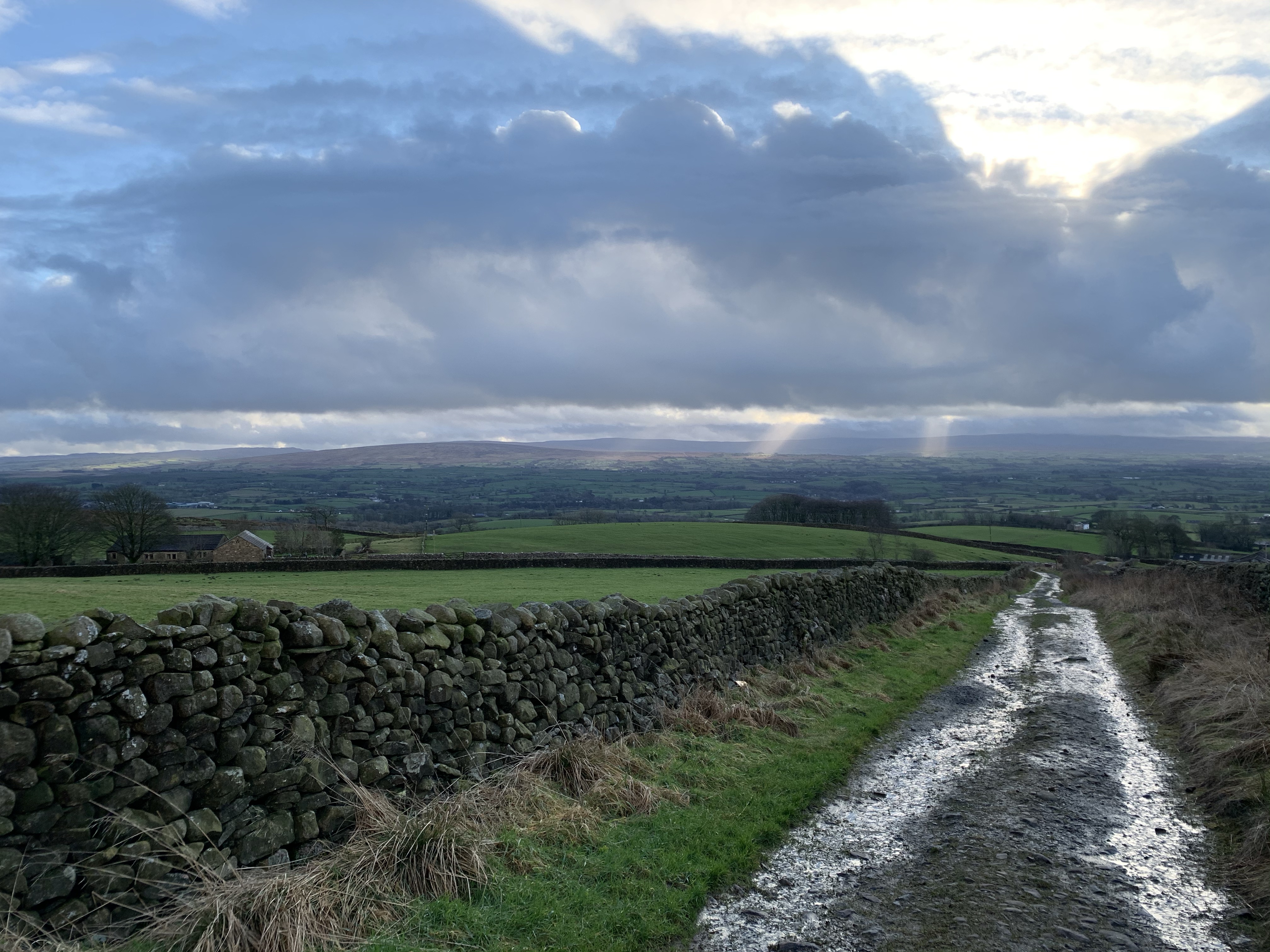 We said goodbye to the CRO and followed the Land Rovers. They had now stopped in one of the fields and one of the women was taking photos of the cars from all angles. We caught up with them and started to chat to another lady. We then continued along the track, expecting to have to move over to let them pass, but every time we looked back, they still seemed to be taking photos. In fact, we walked for ages before we joined the tarmac road and they were still nowhere in sight.
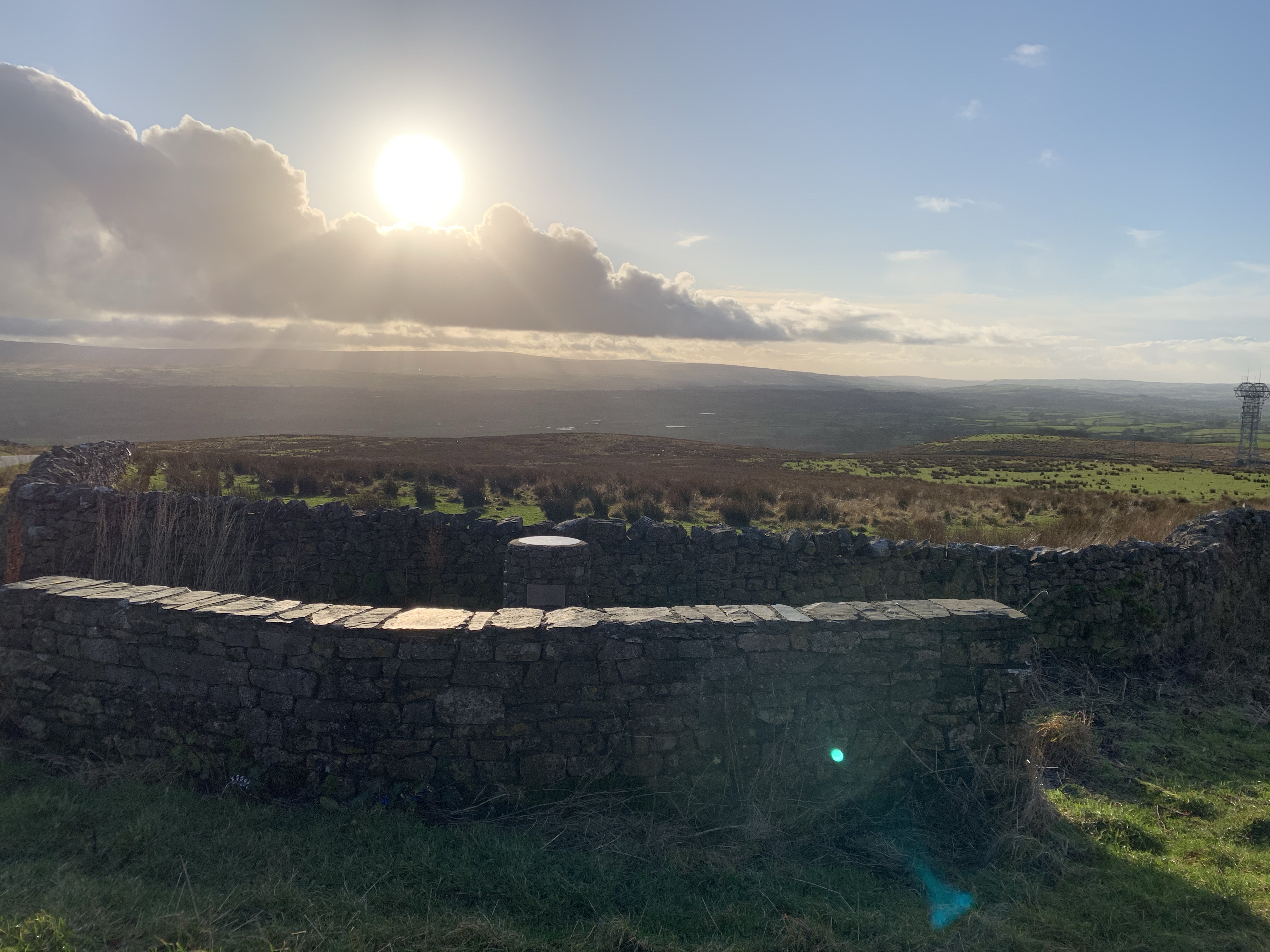

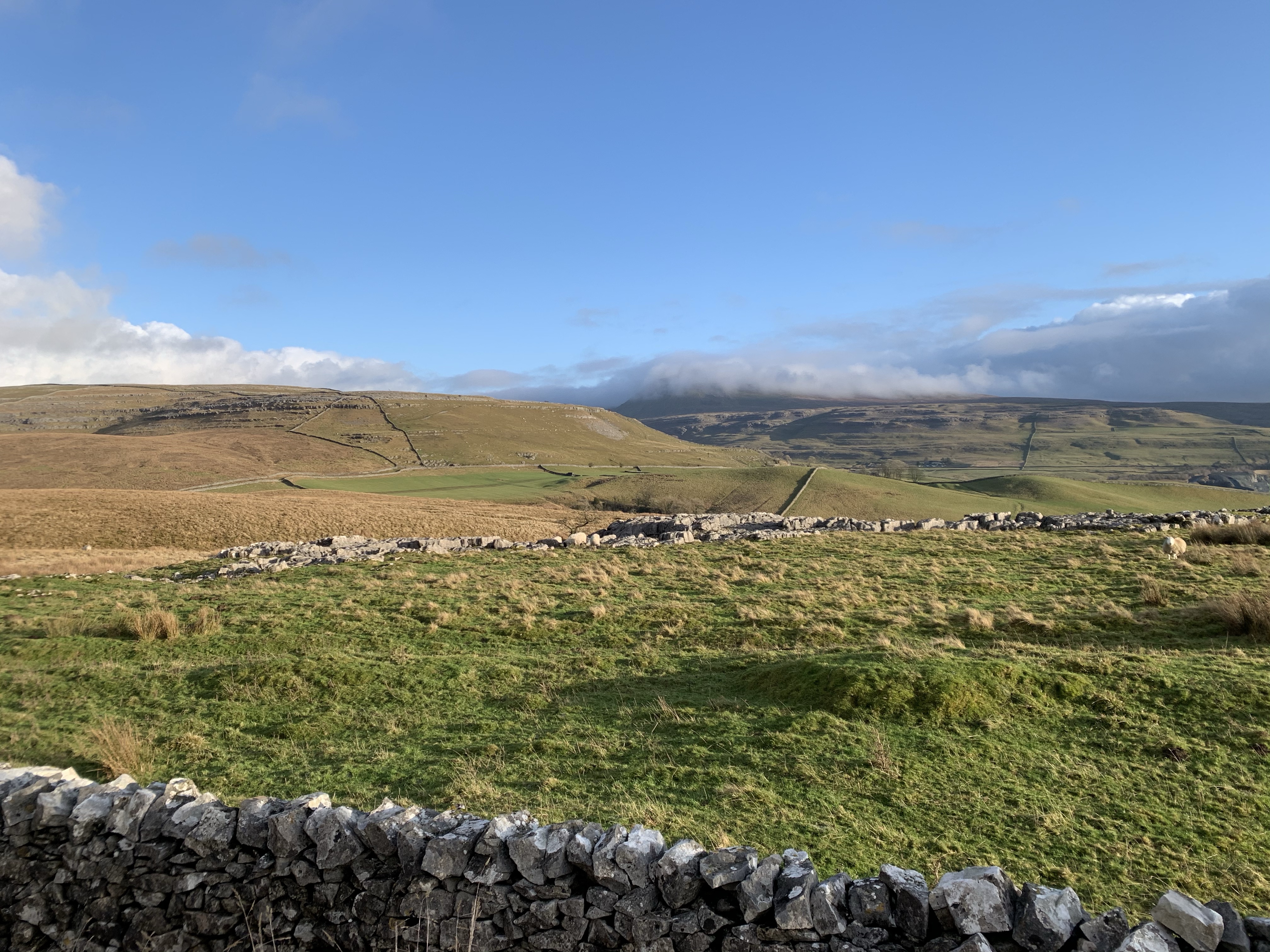
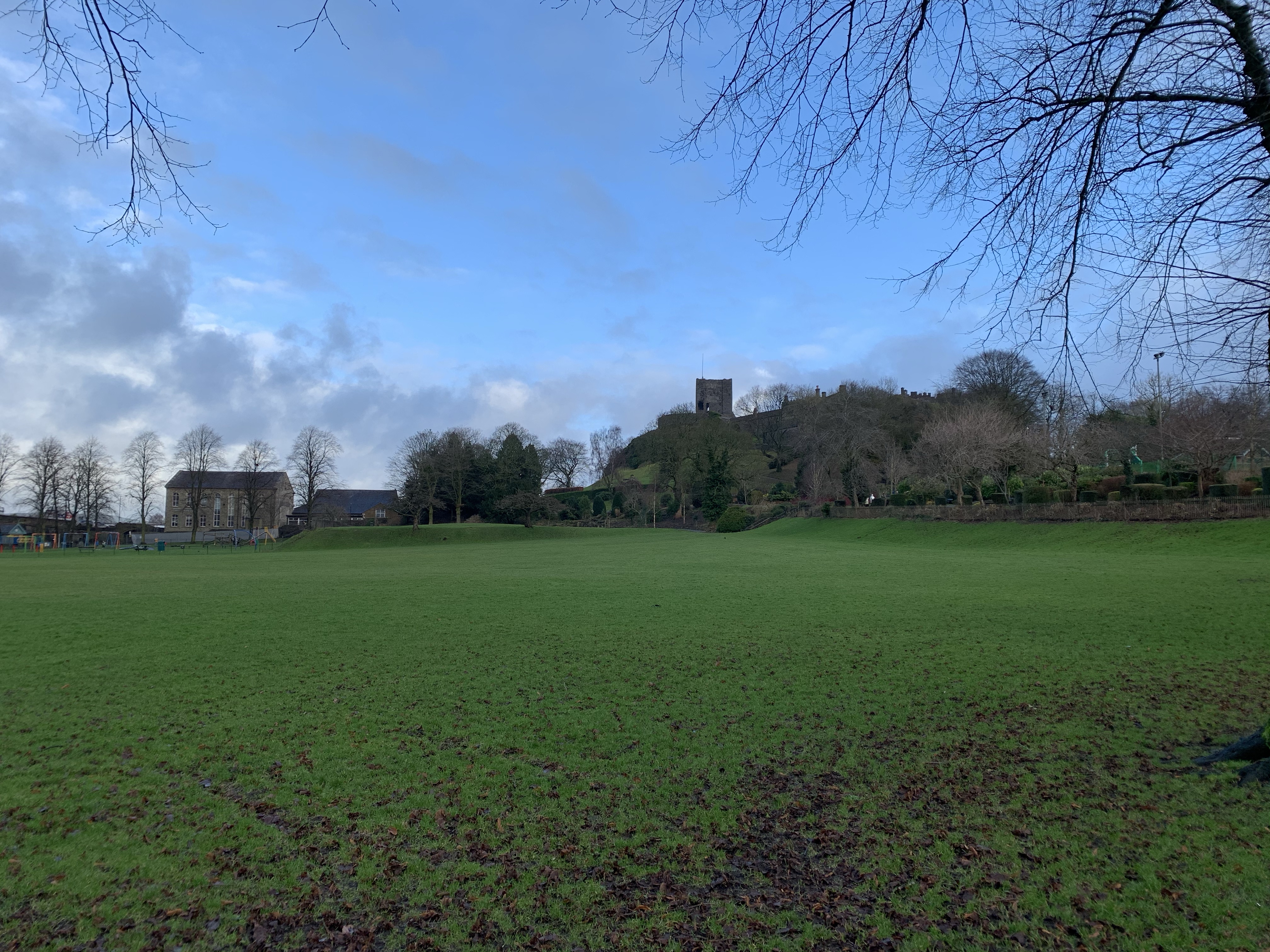
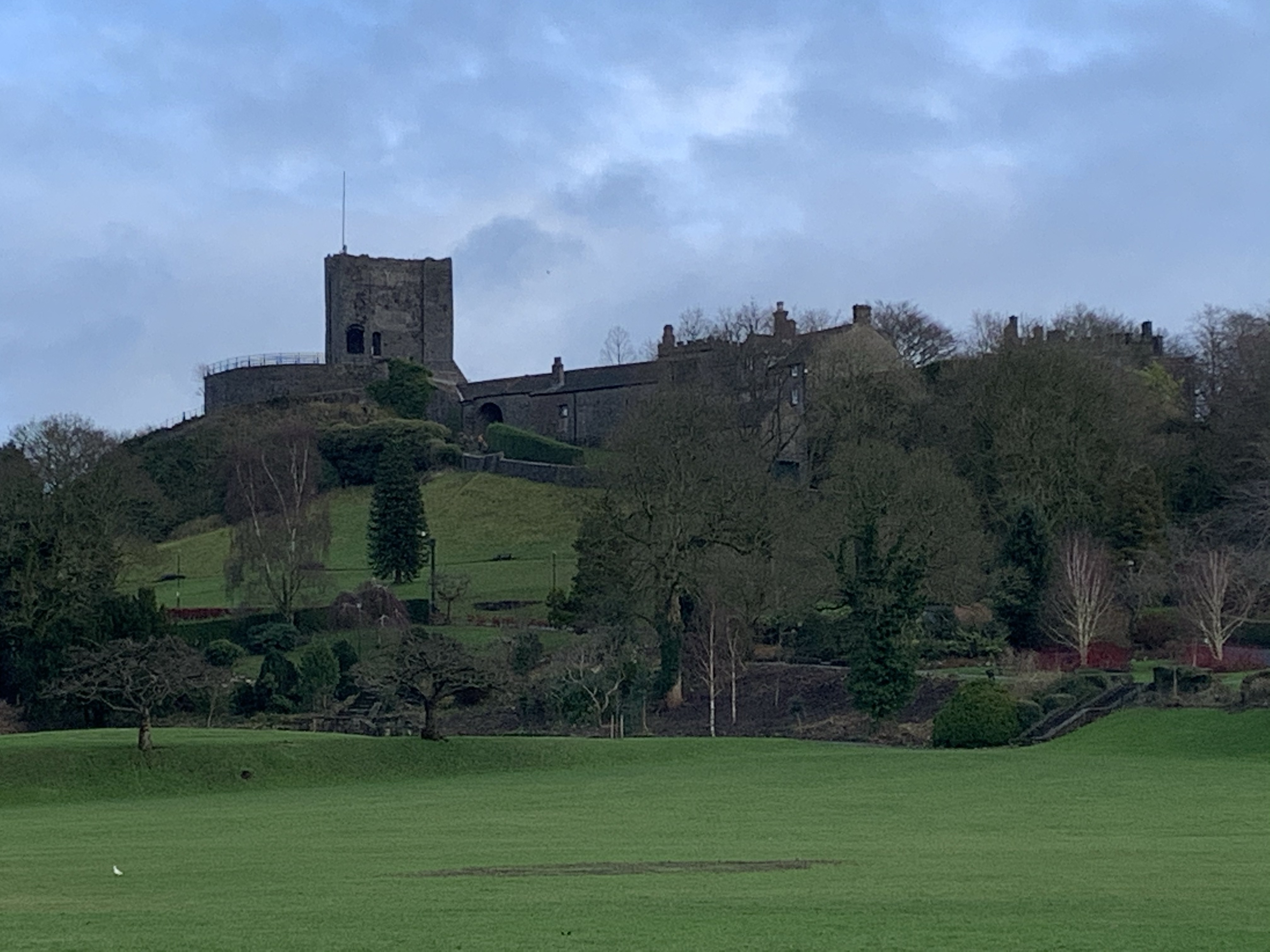

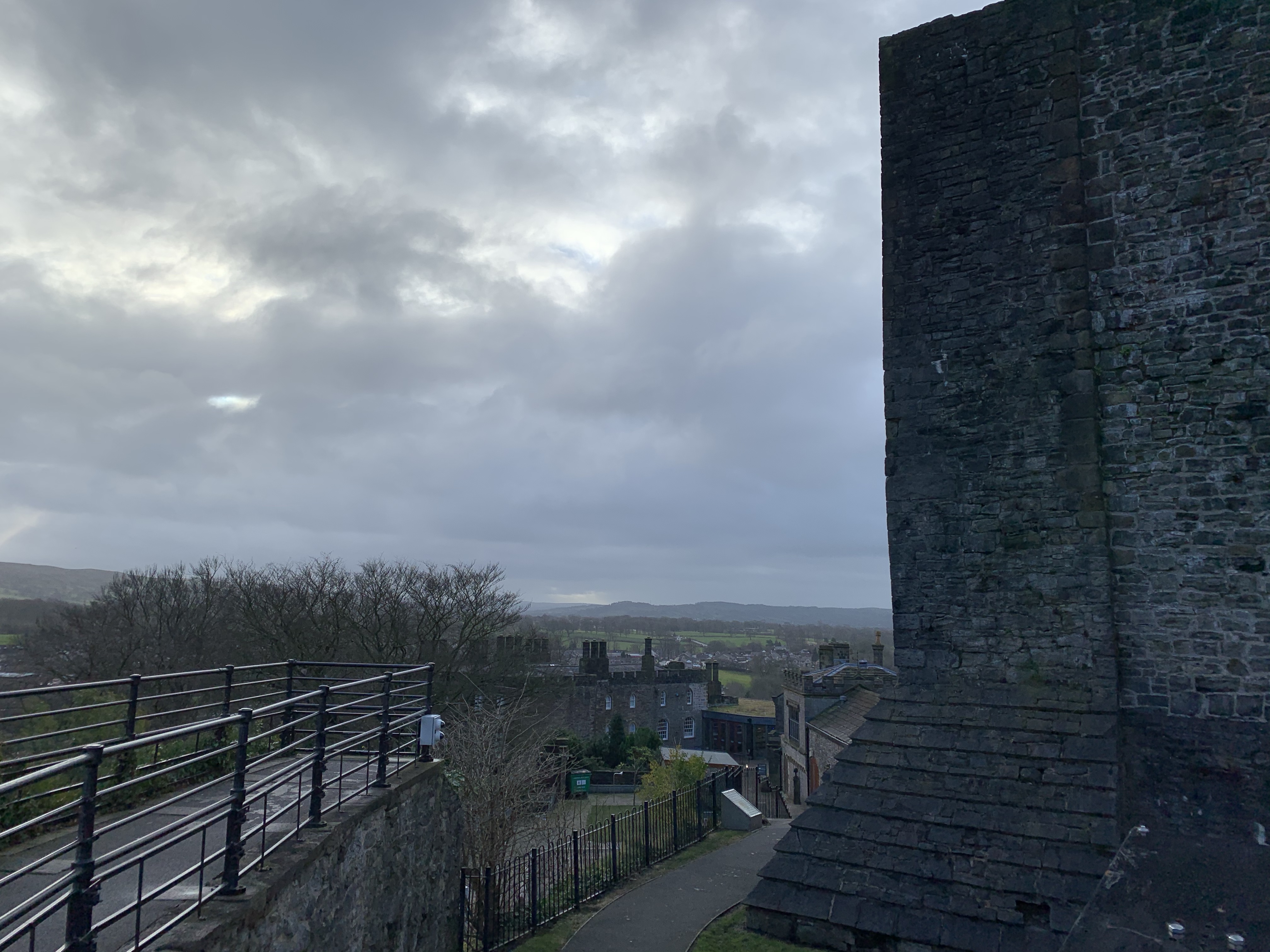
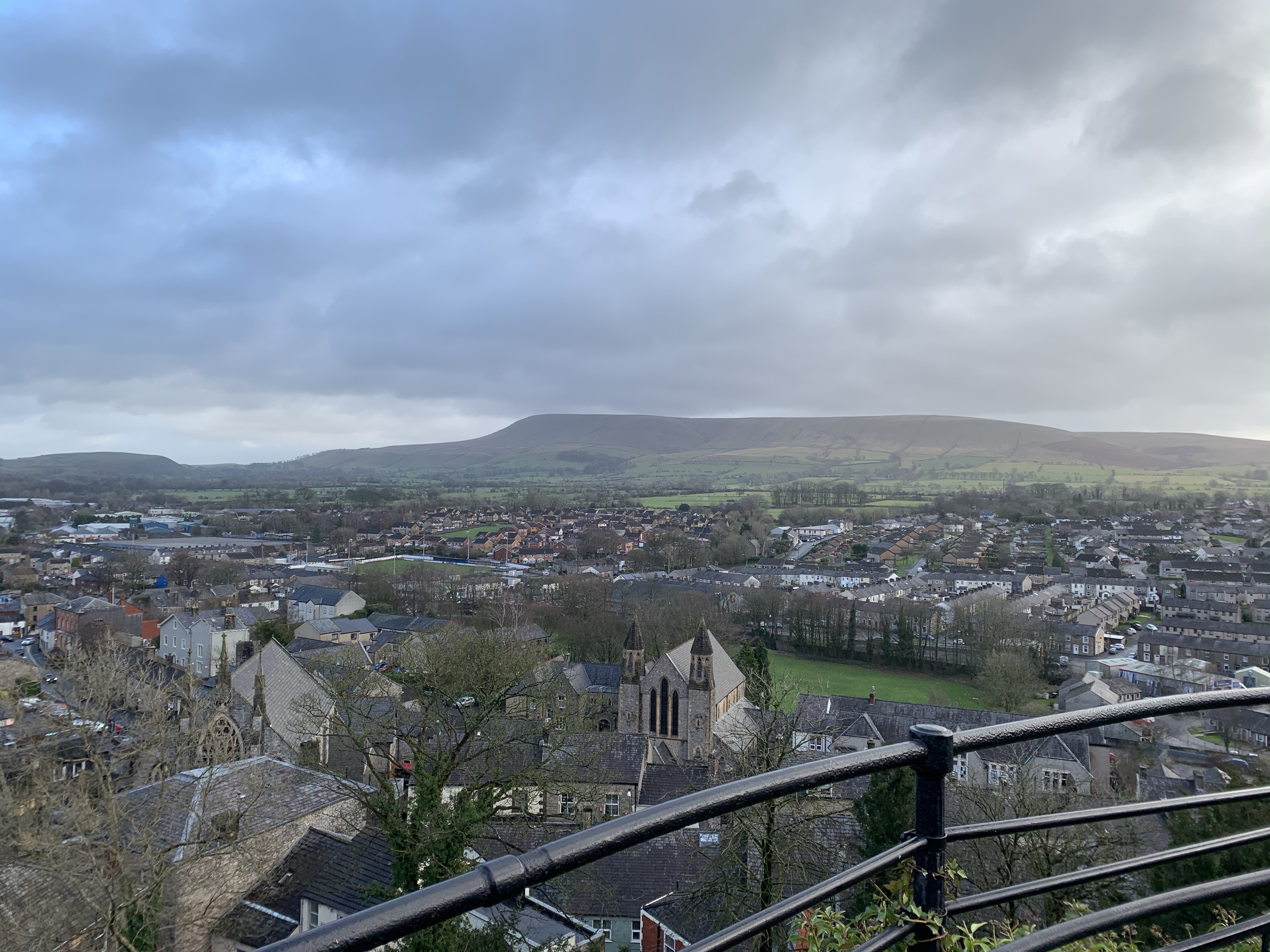
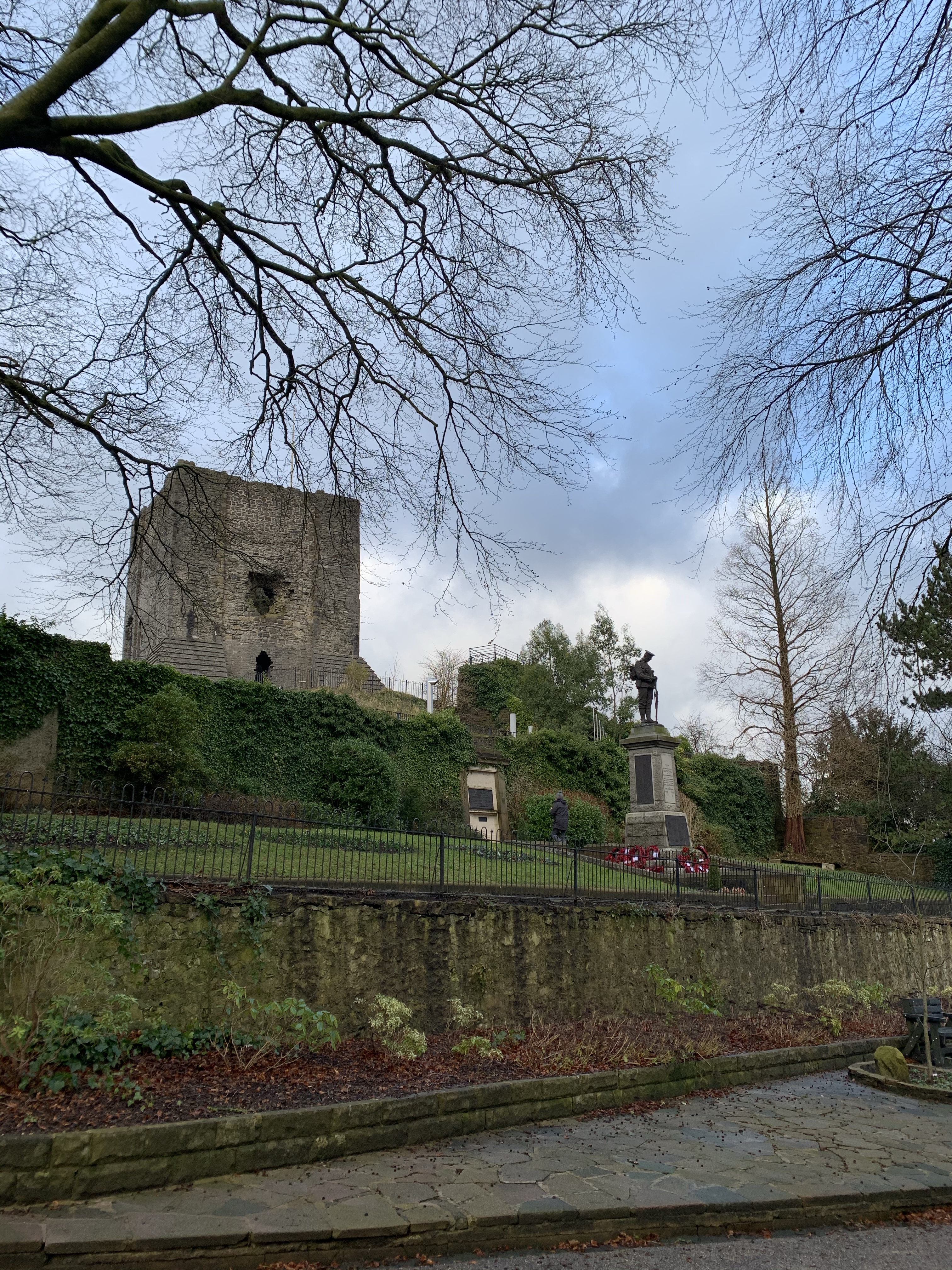


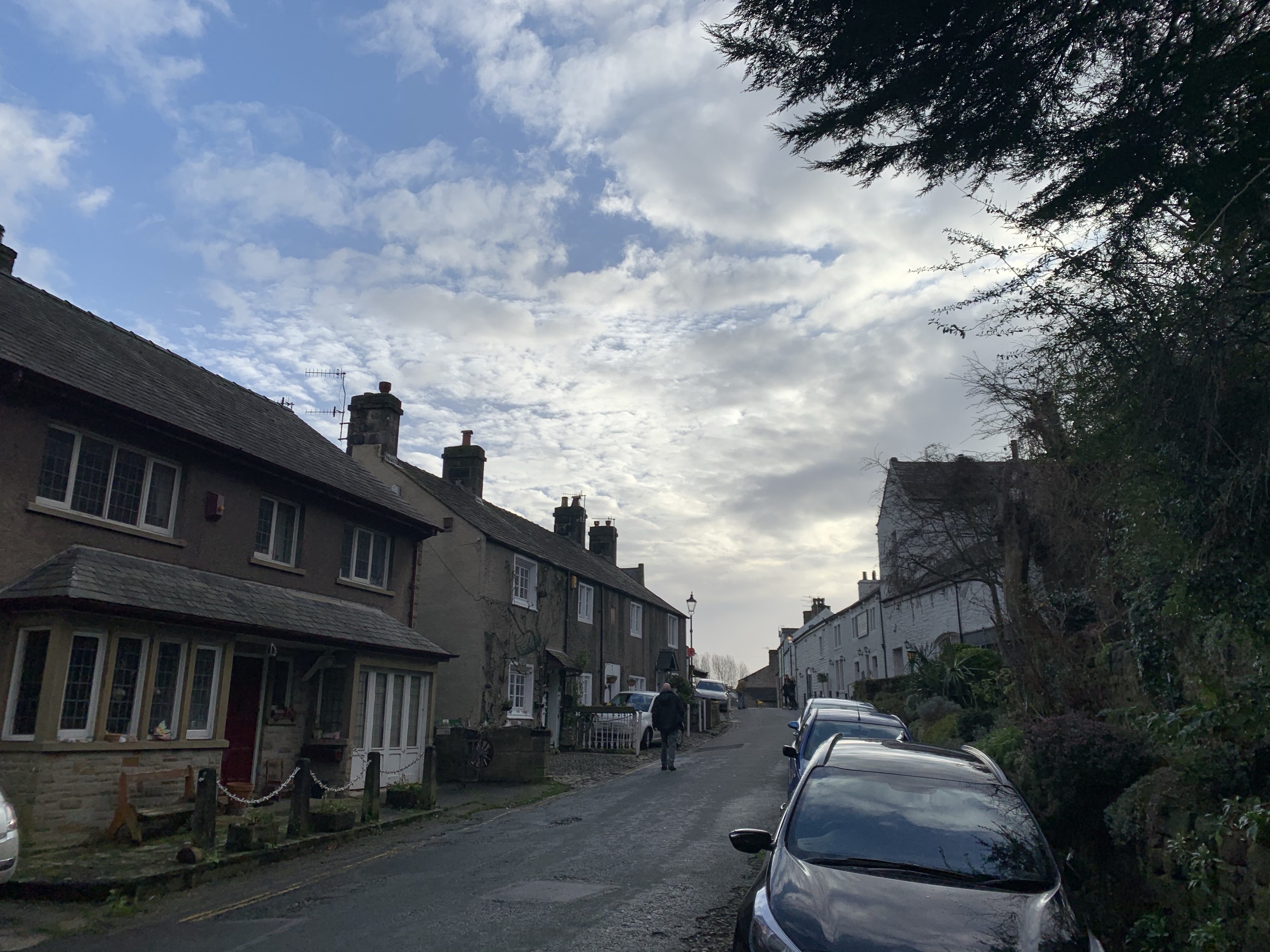


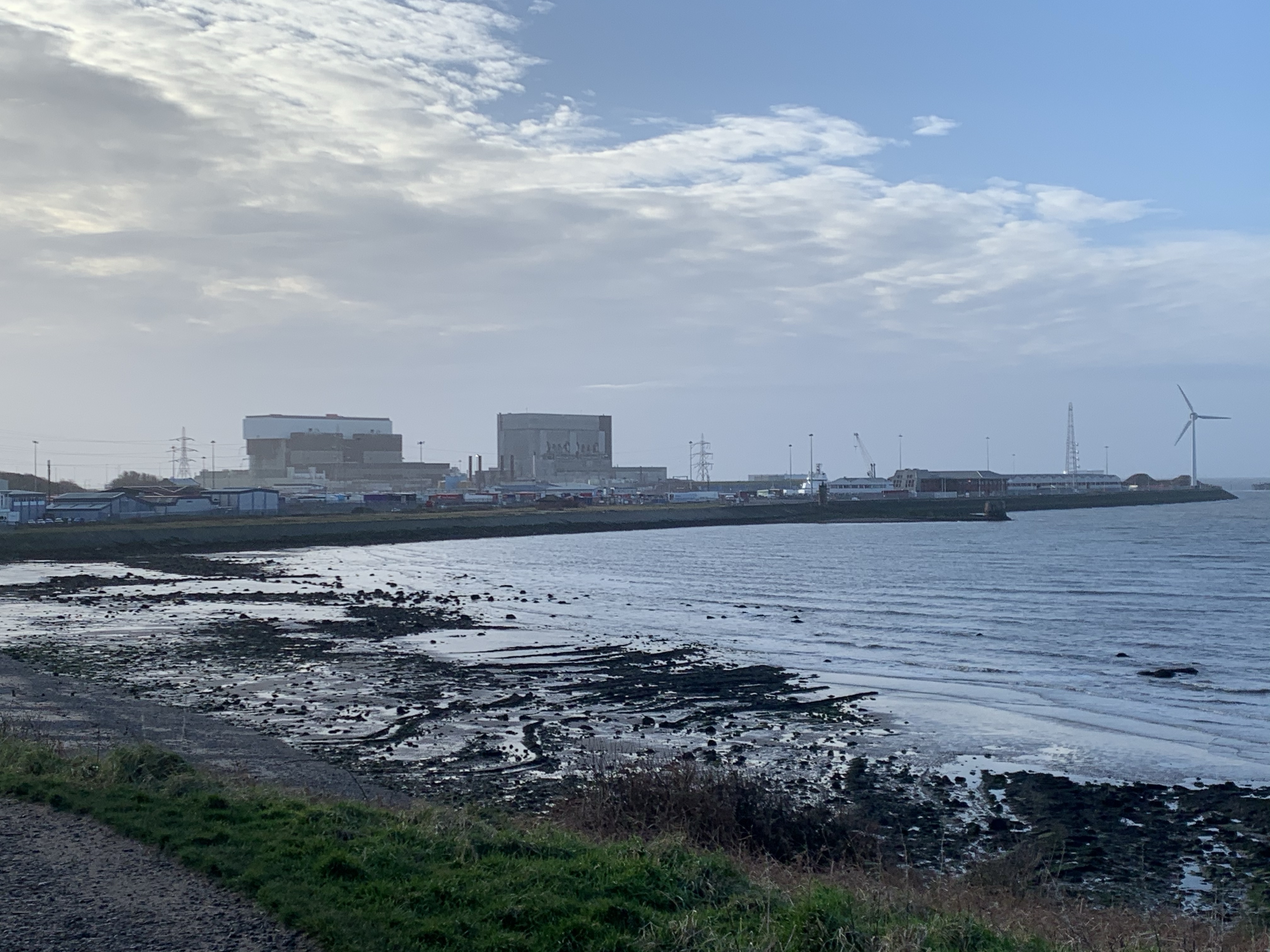
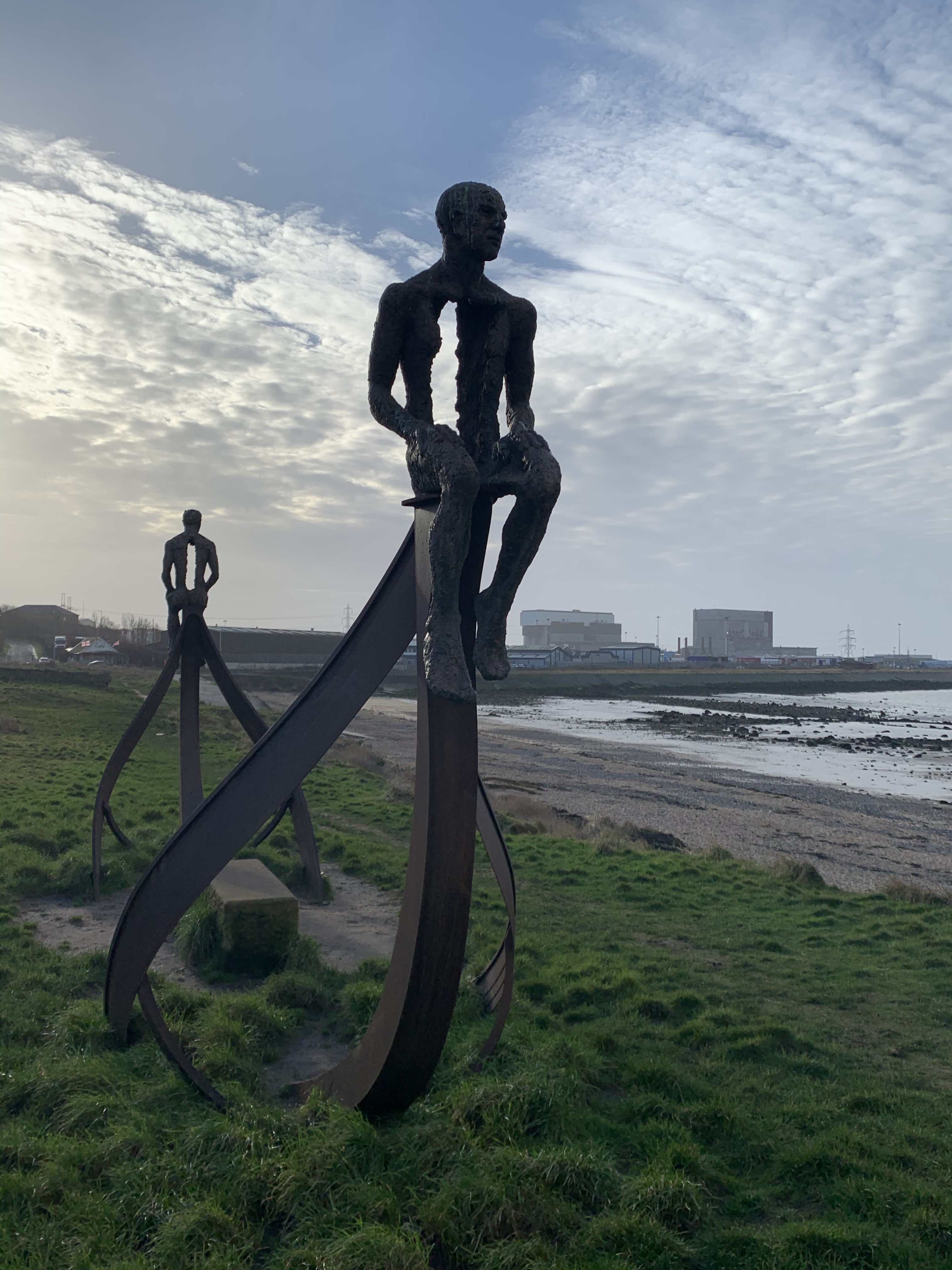


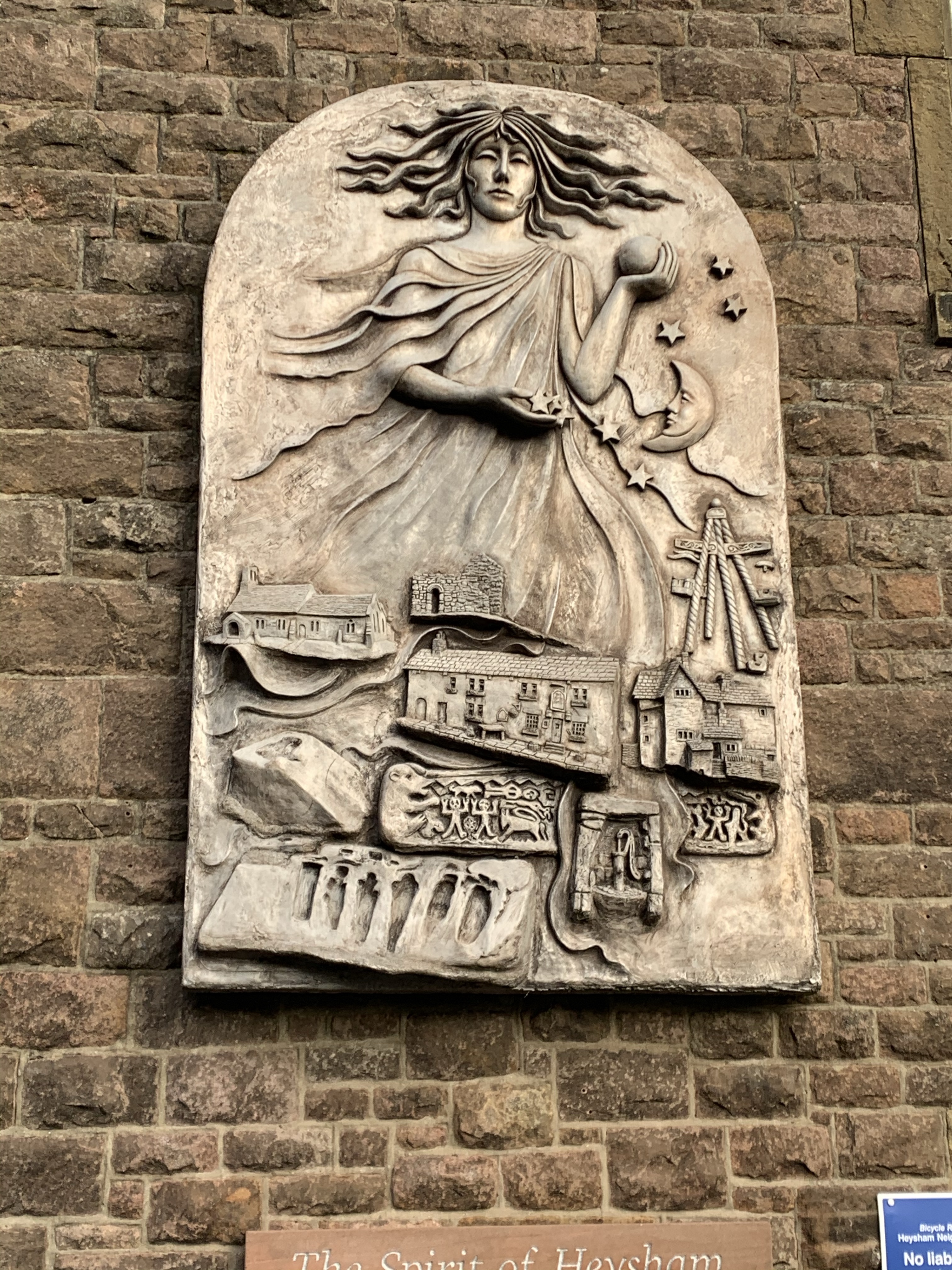
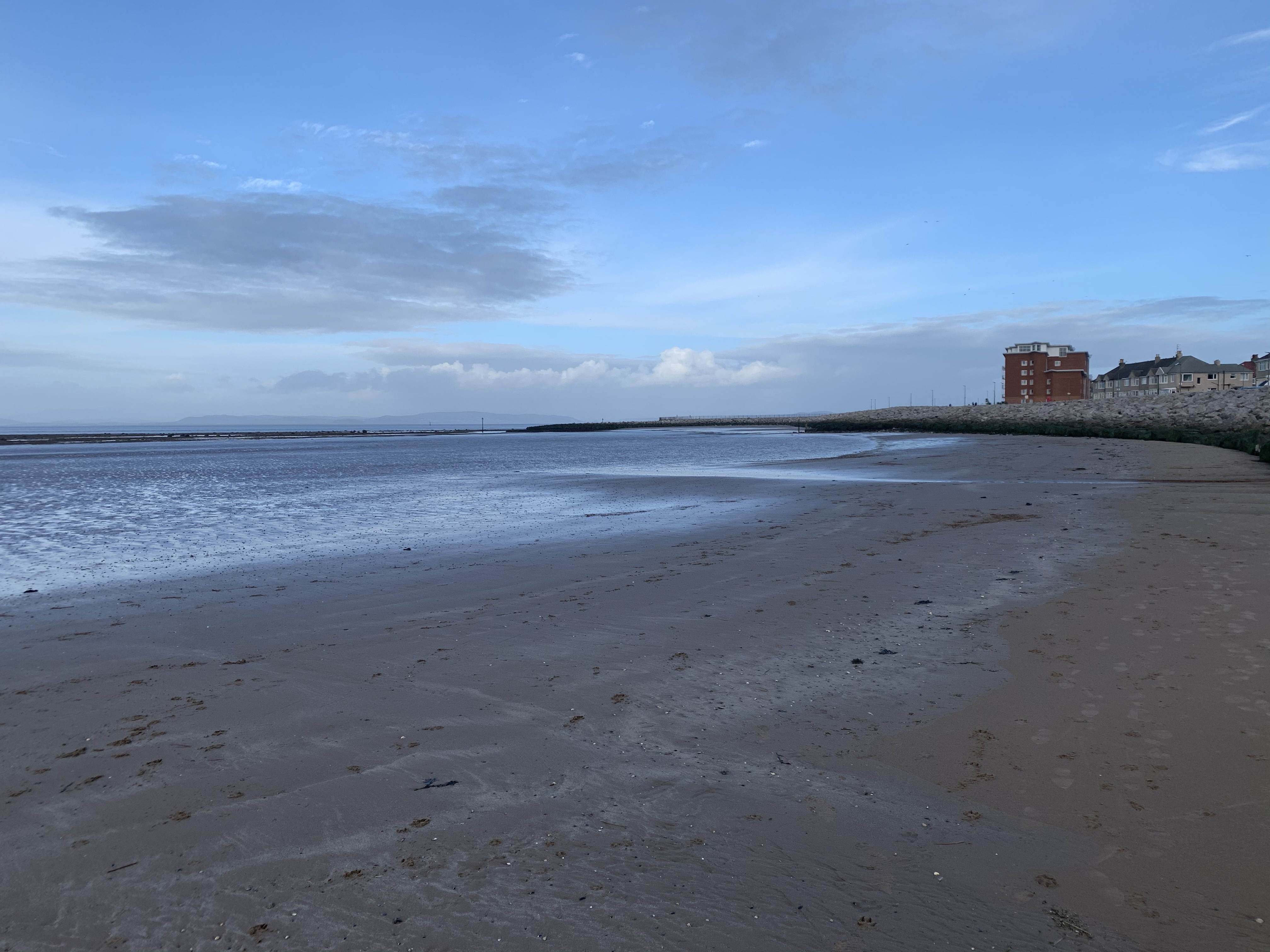
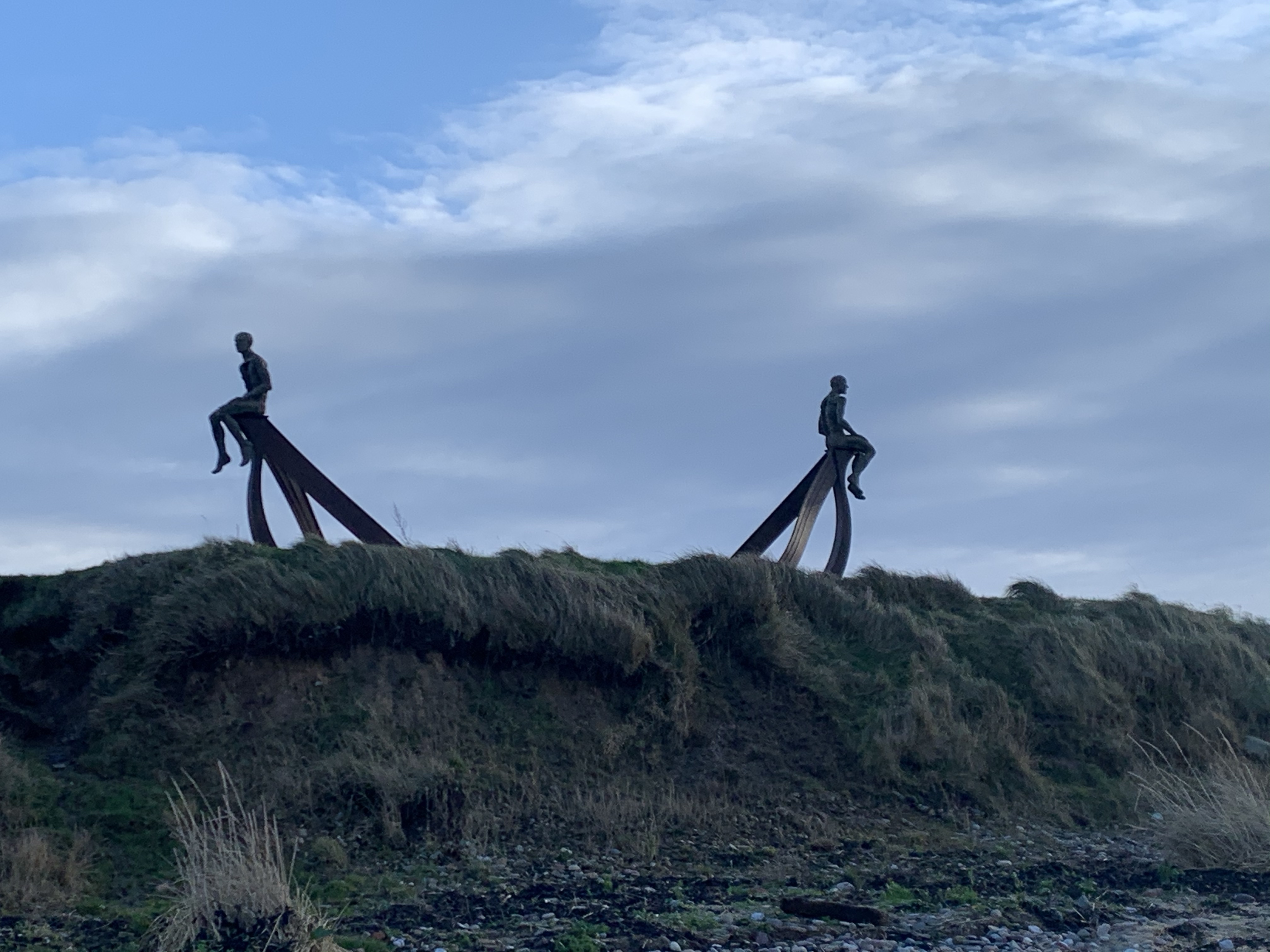 We headed back to the centre of the village and had a poke around. It was mainly a huddle of 17th cottages, with 19th century interruptions and the odd 1950’s bungalow squeezed in. The village was kind of growing in its own right before Britain launched the massive house building after the Second World War.We wandered around the church yard, full of gravestones old and new. It dropped down towards the sea and had a wonderful view of Morecambe Bay. It was a lovely spot. The church itself was dinky, with a slate roof and not particularly tall. I poked my head into the church as The Dog wasn’t allowed in. It was enchanting, with timber beams, lanterns and stained windows. It was so cosy and welcoming, a lovely little place of worship.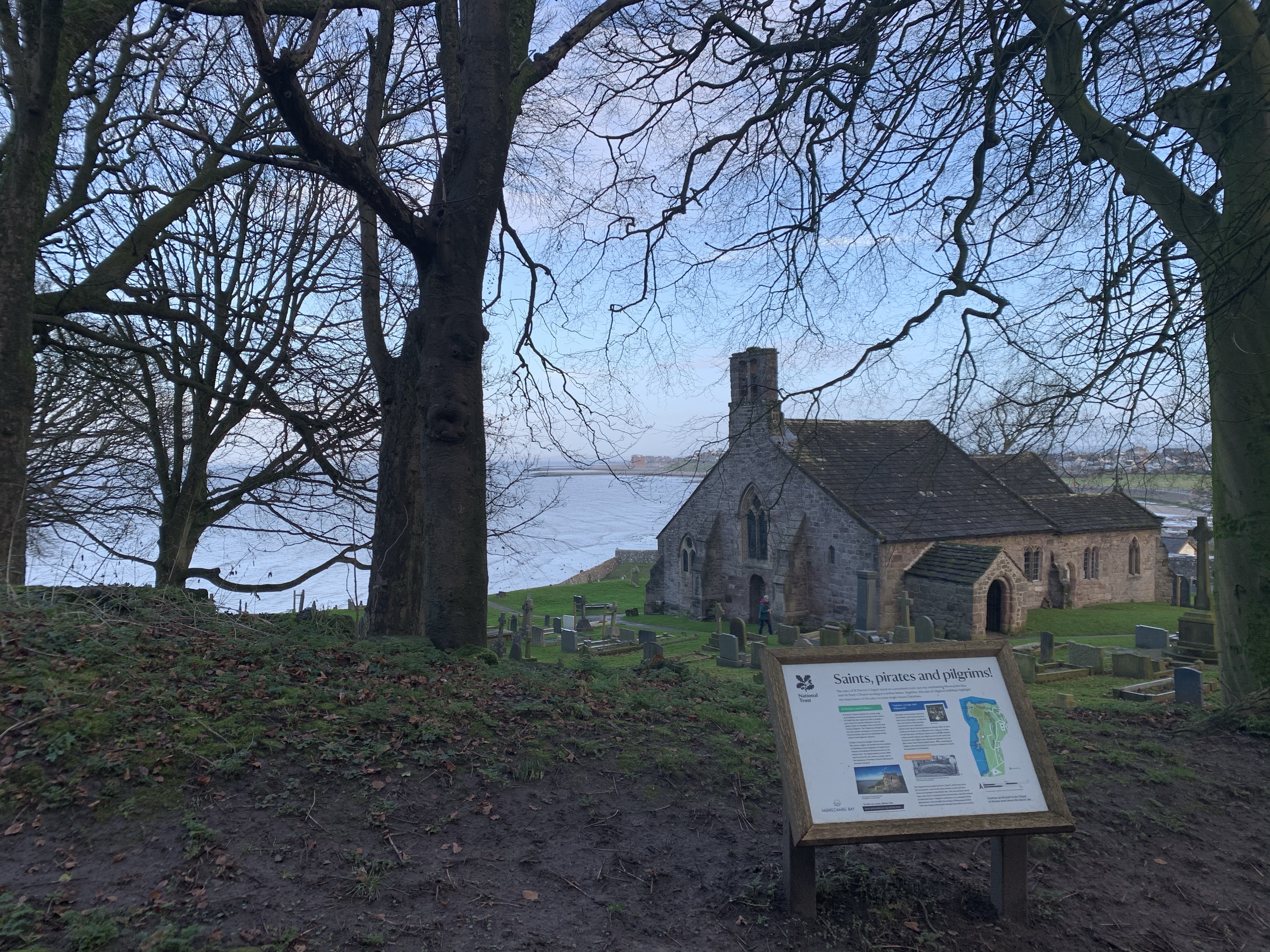
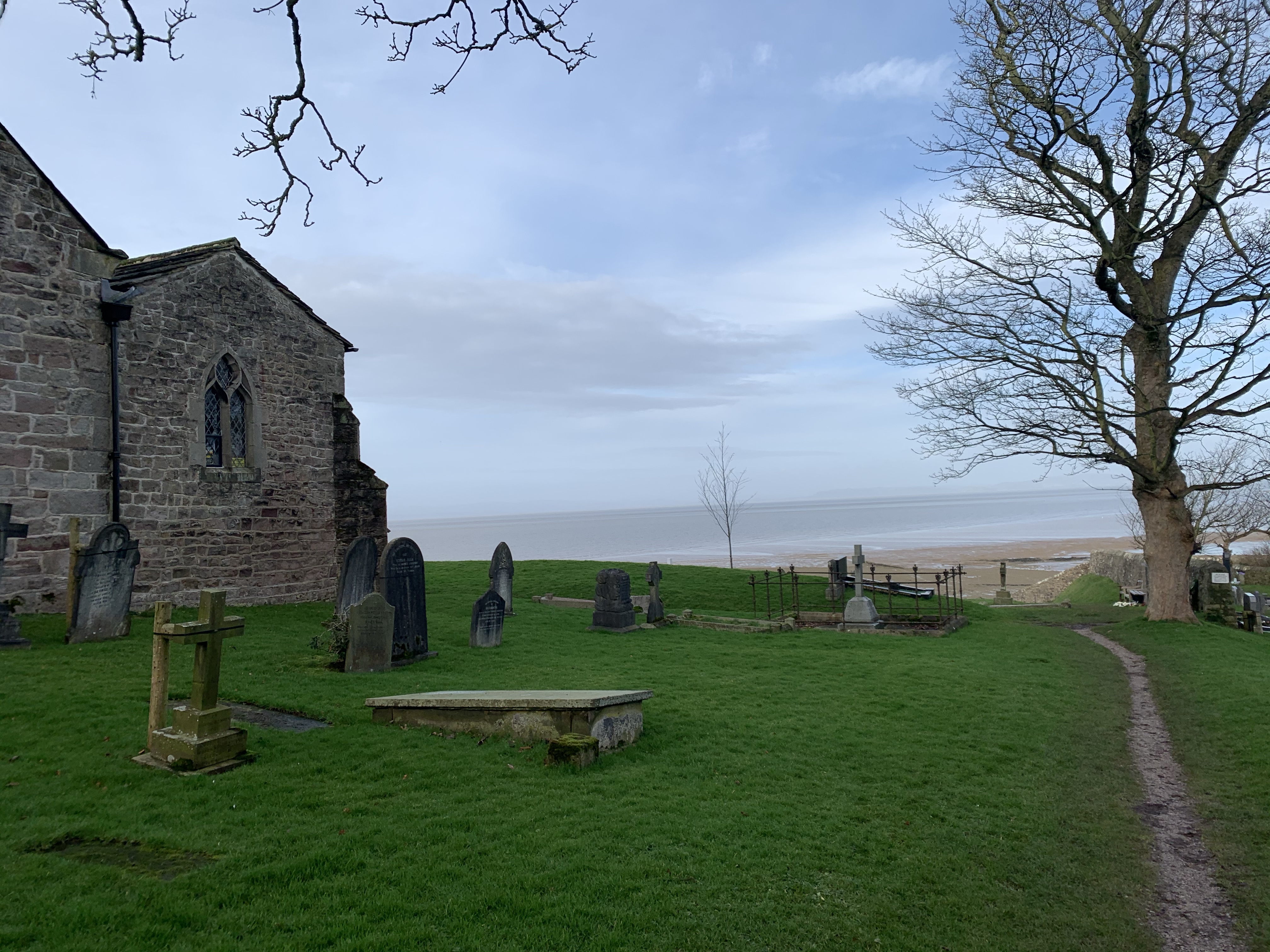


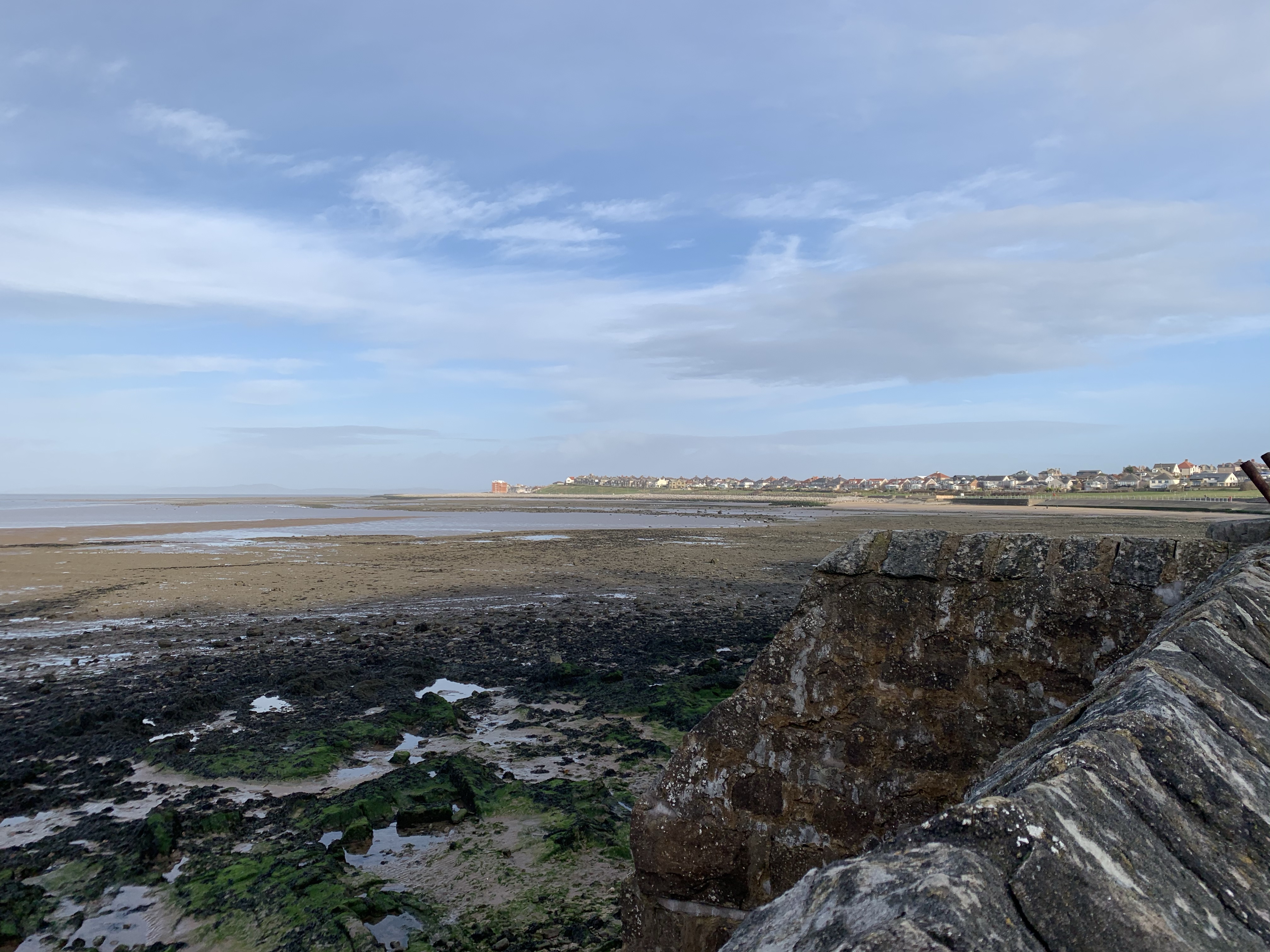
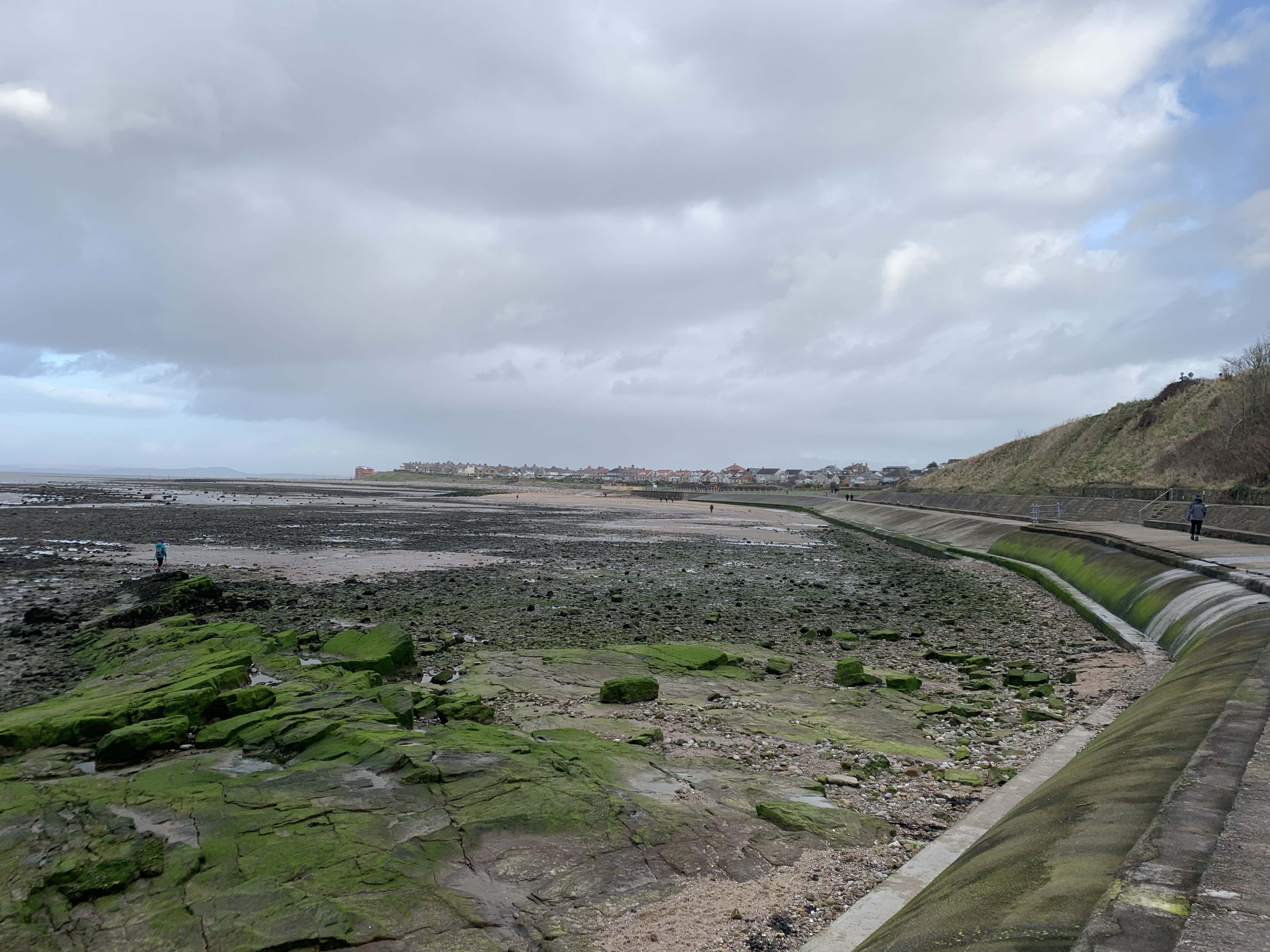
 We could of walked to Morecambe, but we had gone far enough. We turned around and retraced our steps. From this angle, we could see the little village cascade down from headland to the edge of the beach, sheltering in a natural valley. You could imagine it being a tiny isolated fishing hamlet now, tucked away from the heaving Atlantic storms.

 apathtosomewhere